














What Are Vaginal and Urinary Infections?

Vaginal and urinary tract infections (UTIs) are common—and uncomfortable—conditions that can affect anyone, but especially women. A vaginal infection, like a yeast infection or bacterial vaginosis, often happens when the natural balance of bacteria and yeast in the vagina is disrupted. UTIs, on the other hand, are caused by bacteria entering the urinary tract, usually through the urethra. Both can cause symptoms that are hard to ignore: itching, burning, unusual discharge, frequent urges to pee, or a sharp, stinging sensation when you do. Whether your discomfort is new, recurring, or uncertain, know that it’s valid and treatable. 

Vaginal and Urinary Infection Treatment

From fast in-office testing to personalized treatment plans, we offer the care you need to diagnose the issue and feel better quickly.

NWHP -Icon -Urine Testing copy
Urine Testing
NWHP -Icon -Urine Testing copy

Urine Testing

A quick, in-office test to detect bacteria or white blood cells that indicate a UTI.

NWHP -Icon - Pelvic Floor Assessment copy
Pelvic Exam
NWHP -Icon - Pelvic Floor Assessment copy

Pelvic Exam

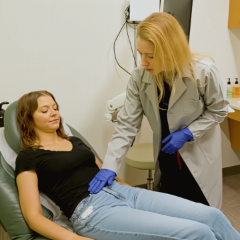
This gentle in-office physical evaluation checks for signs of infection, irritation, or discharge.

NWHP -Icon - Vaginal Swab copy
Vaginal Swab Testing
NWHP -Icon - Vaginal Swab copy

Vaginal Swab Testing

When we need to identify the specific cause of symptoms—such as yeast, BV, or STIs—so treatment can be targeted.

Mask group (4)
Antibiotic Treatment
Mask group (4)

Antibiotic Treatment

Prescription medications to clear bacterial infections like UTIs or bacterial vaginosis.

NWHP -Icon -Antifungal Treatment copy
Antifungal Treatment
NWHP -Icon -Antifungal Treatment copy

Antifungal Treatment

If needed, oral pills or vaginal suppositories can be used to treat yeast infections and relieve itching or discomfort.

NWHP -Icon - Pain Management-3 copy
Pain Relief Options
NWHP -Icon - Pain Management-3 copy

Pain Relief Options

Short-term medications or guidance to ease burning, cramping, or urinary urgency.

NWHP - Icon - Infection Evaluation copy
Recurrent Infection Evaluation
NWHP - Icon - Infection Evaluation copy

Recurrent Infection Evaluation

If infections keep returning, we look deeper, checking for hormonal imbalances, hygiene triggers, or anatomical concerns.

Get Started
NWHP - Icon - Lifestyle copy
Lifestyle & Preventative Guidance
NWHP - Icon - Lifestyle copy

Lifestyle & Preventative Guidance

Counseling on hydration, hygiene habits, and sexual health to help prevent recurrent UTIs.

Get Started

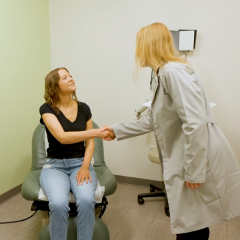
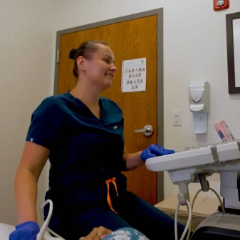
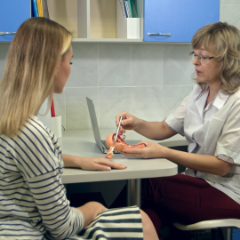
Your exam will start with a conversation about your symptoms, health history, and any recent changes—no detail is too small. This is your space to be honest and ask anything, without embarrassment.

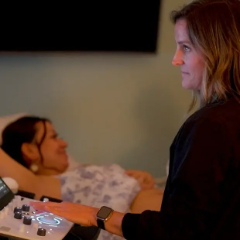
Depending on your symptoms, your visit may include a gentle pelvic exam, a vaginal swab, or a quick urine sample to check for infection. Every step is explained as we go, and you’re always in control.

We’ll walk you through your results, discuss treatment options, and answer all your questions. If you need a prescription or follow-up testing, we’ll coordinate everything—so you leave feeling heard, supported, and one step closer to relief.

What to Expect For Your Vaginal & Urinary Infection Exam

If you're dealing with discomfort, you deserve answers—not judgment. Here’s how we approach exams for vaginal and urinary infections, with care that puts your comfort first.
Mask group (6)

Insurance Information

Most insurance plans cover the evaluation and treatment of vaginal and urinary infections—especially when care is provided in-network. WomanCare accepts a wide range of insurance providers and can confirm your benefits before your visit. If you're not insured, we offer self-pay options so you can still access the timely, compassionate care you deserve.

Mask group (7)

Patient Resources

From accessing the patient portal to downloading forms, reviewing insurance details, and exploring helpful FAQs and educational guides – we make it easy to stay informed, prepared, and confident in your care.

Find a Gynecologist Near You

Choose from five trusted locations across Chicago’s northwest suburbs and get care close to home.

Arlington Heights (Central Rd)

1614 W. Central Rd, Suite 205, Arlington Heights, IL 60005

Arlington Heights (Rand Rd)

Buffalo Grove

Kildeer

Schaumburg

Feel Like Yourself Again—Fast, Gentle Relief Starts Here

Vaginal infections often cause discharge, itching, or odor, while UTIs typically cause burning with urination, frequent urges, or pelvic pressure. It’s possible to have both, but only a medical exam can confirm the cause.

Vaginal infections can be caused by bacteria, yeast, or parasites. Common triggers include antibiotics, hormonal changes, tight clothing, and new hygiene products.

Frequent urination, burning or pain when peeing, cloudy or strong-smelling urine, and pelvic discomfort are common signs. Some women also feel tired or notice blood in their urine.

Some are, like trichomoniasis or certain bacterial infections. Others, like yeast infections, are not usually sexually transmitted.

Over-the-counter options exist for yeast infections, but UTIs need prescription antibiotics. If you’re unsure what you have, it’s best to get tested before starting treatment.

Some mild infections may clear up, but most need treatment to avoid worsening or spreading. Fast care helps relieve symptoms and prevent complications.

Yes—some untreated infections can cause complications in pregnancy or increase the risk of pelvic inflammatory disease, which can affect fertility.

Avoid douching, scented products, tight underwear, and sex until symptoms improve. Stick to gentle, breathable cotton undergarments.

We use urine tests, vaginal swabs, and sometimes a pelvic exam to identify the type of infection and guide treatment.

Recurring infections are common and treatable. Your provider may recommend a different approach—like vaginal pH support, longer-term medication, or additional testing to find the root cause.

Frequently Asked Questions