













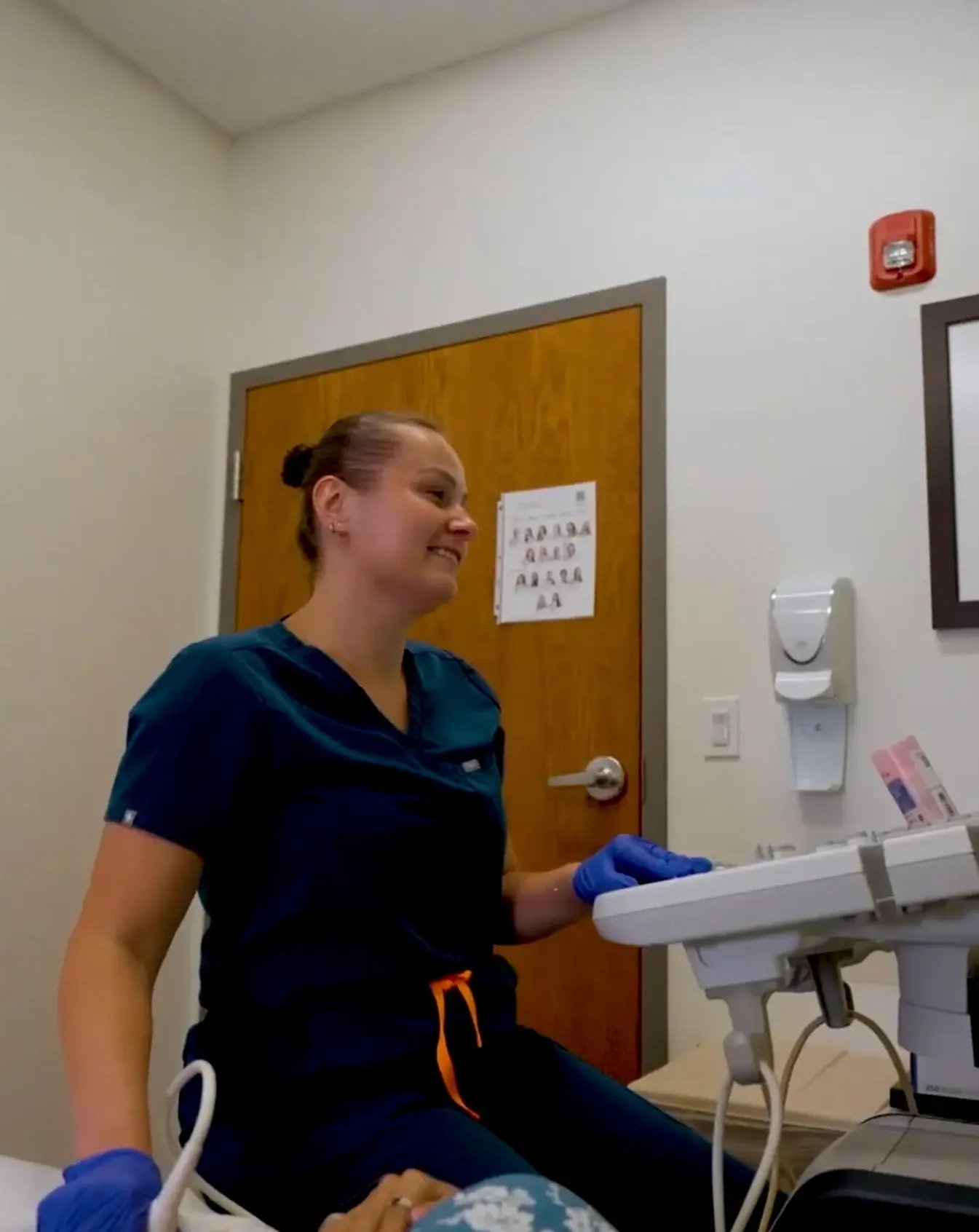
What is a Colposcopy?

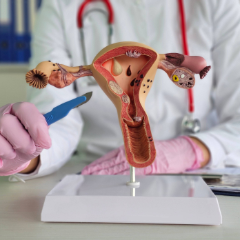
A colposcopy is a quick, in-office procedure that helps your provider examine your cervix more closely after receiving abnormal results from a Pap test. Using a special microscope, your provider can spot any areas of concern and, if needed, take a tiny tissue sample for further testing. The exam itself usually takes about 10 to 20 minutes and may cause mild cramping, but most women find it very manageable. A colposcopy biopsy is commonly done to evaluate changes in cervical cells and is an important step in preventing more serious issues. 

You may be recommended for a colposcopy procedure if:

  • Your Pap smear results came back abnormal
  • You tested positive for high-risk HPV
  • Your provider needs to examine unexplained vaginal bleeding
  • There are visible changes on your cervix, vulva, or vagina
  • Follow-up is needed after a previous cervical procedure

You don’t need to do much to prepare—just avoid vaginal products, douching, or intercourse for 24–48 hours beforehand. Your provider may also review your recent Pap results and ask about any symptoms you’ve noticed.

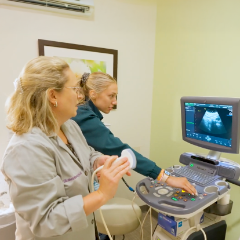
You’ll lie back just like during a Pap smear. A speculum is gently inserted, and a colposcope (which stays outside your body) is used to examine your cervix. Your provider may apply a mild solution to highlight any abnormal areas. If needed, a small biopsy may be taken, which can feel like a quick pinch or cramp.

You may experience light spotting or discharge for a day or two, especially if a biopsy was done. Most women return to normal activities right away, though you’ll want to skip tampons and sex for a few days. Your care team will follow up promptly with your results and next steps.

Your Colposcopy Procedure: What to Expect

Knowing what’s ahead can ease nerves. Here’s how we make the process as simple and supportive as possible—from start to finish.
Mask group (6)

Insurance Information

Most health insurance plans cover colposcopy when it’s medically necessary, such as after an abnormal Pap test. Our team can help you verify your benefits ahead of time, explain any out-of-pocket costs, and ensure you feel confident about your coverage before your appointment.

Mask group (7)

Patient Resources

From accessing the patient portal to downloading forms, reviewing insurance details, and exploring helpful FAQs and educational guides – we make it easy to stay informed, prepared, and confident in your care.

Find a Gynecologist Near You

Choose from five trusted locations across Chicago’s northwest suburbs and get care close to home.

Arlington Heights (Central Rd)

1614 W. Central Rd, Suite 205, Arlington Heights, IL 60005

Arlington Heights (Rand Rd)

Buffalo Grove

Kildeer

Schaumburg

A Gentle Step Toward Answers—And Peace of Mind

A colposcopy is a closer look at your cervix, often done after an abnormal Pap test. It helps your provider see if anything needs further testing or treatment.

Most women feel only mild discomfort or cramping, similar to a Pap smear. If a biopsy is taken, you may feel a brief pinch.

The exam usually takes about 10 to 20 minutes. You’ll be able to go home right afterward.

Not usually. Most people return to their normal routine the same day, though you may want to avoid strenuous activity or intercourse for a day or two if a biopsy was done.

If no biopsy is needed, your provider may share findings right away. If tissue was collected, results typically come back within 1 to 2 weeks.

That doesn’t mean cancer. Many abnormal changes resolve on their own, but if further care is needed, we’ll walk you through every option with support and clarity.

A colposcopy is a diagnostic exam; a LEEP is a minor procedure that removes abnormal cervical cells—usually only done if needed after a colposcopy or biopsy.

Yes, most insurance plans cover colposcopy and other minimally invasive procedures when medically necessary. We’ll help confirm your benefits in advance.

We often use these techniques to treat conditions like fibroids, endometriosis, ovarian cysts, or abnormal bleeding, while preserving comfort and minimizing downtime.

It depends on your symptoms, diagnosis, and goals. Your provider will walk you through all your options and help you choose the least invasive path to relief.

Frequently Asked Questions