



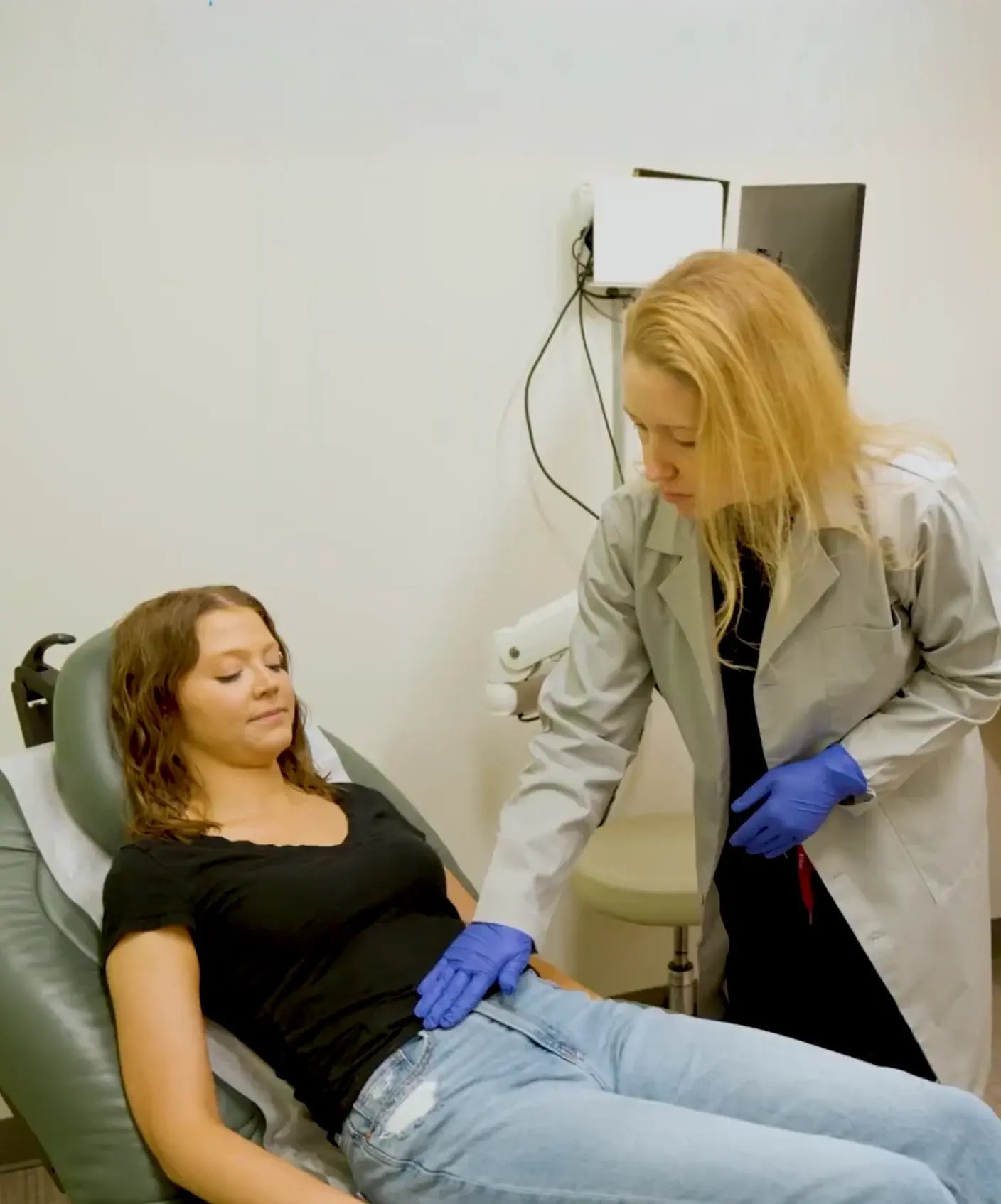
Myomectomy
Fibroid symptoms aren’t something you have to live with. With a myomectomy surgery, you can reclaim your comfort and protect your reproductive health.
What is Myomectomy Surgery?
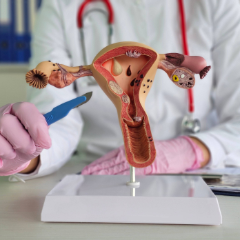
A myomectomy—or fibroid removal surgery— is a procedure that removes uterine fibroids while preserving your uterus. Unlike a hysterectomy, which removes the entire uterus, this approach targets only the fibroids. It is an ideal option for women who want symptom relief without giving up the possibility of future pregnancy. Depending on the size, number, and location of your fibroids, your provider will recommend the safest and most effective surgical method for you.
Your provider may schedule you for a myomectomy if:
- You have uterine fibroids, causing heavy or prolonged periods
- You’re experiencing pelvic pain, pressure, or bloating
- Fibroids are affecting your fertility or pregnancy plans
- You want to preserve your uterus but need relief from fibroid symptoms
- You’ve tried medication but still have disruptive symptoms
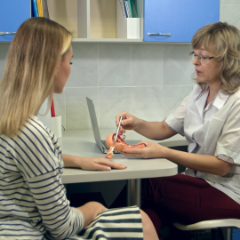
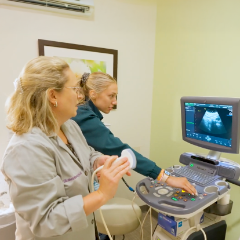
Your doctor may order imaging tests such as an ultrasound or MRI to map the size, number, and location of fibroids. You may also need to adjust your medications or avoid eating and drinking for several hours before the procedure. Your doctor will give you specific instructions. If needed, arrange for someone to drive you home after surgery.
Depending on the size, number, and location of fibroids, your surgeon may recommend one of the following approaches:
Abdominal Myomectomy: This is an open surgery. Your surgeon will make an incision in the lower abdomen to access and remove fibroids from your uterus.
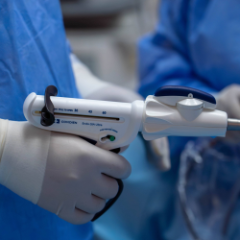
Laparoscopic Myomectomy: This is a minimally invasive option. Your surgeon will use small incisions and a camera to access and remove fibroids.
Hysteroscopic Myomectomy: This is a non-invasive method. Your surgeon will insert a small, lighted instrument (hysteroscope) through your vagina and into your uterus–no incisions needed. Fibroids will be removed in pieces until the area is completely clear.
Each approach offers different benefits and recovery timelines. Your doctor will discuss which is best for your body, as well as your goals and future fertility plans.
Recovery looks a little different depending on the type of surgery you have. Some patients go home the same day, while others may stay in the hospital for 1-3 days. Regardless of the specific surgical approach, plan to avoid heavy lifting, intense exercise, and sexual activity for at least 4-6 weeks. Your doctor will schedule follow-up visits to check your progress, answer questions, and adjust your recovery plan if needed.
Your Myomectomy Procedure: What To Expect
Insurance Information
Most health insurance plans will cover fibroid removal when medically necessary. Our team is here to help you review potential treatment options, confirm your coverage, and identify any out-of-pocket costs upfront, so there are no surprises.
Patient Resources
From accessing the patient portal to downloading forms, reviewing insurance details, and exploring helpful FAQs and educational guides – we make it easy to stay informed, prepared, and confident in your care.
Meet Our Gynecologists
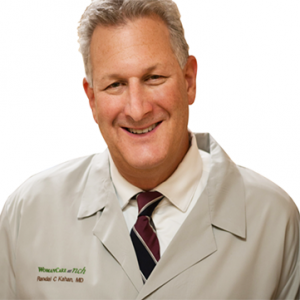
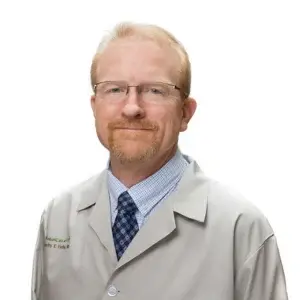
Randall C. Kahan, MD
Meet Dr. Randall C. Kahan of WomanCare, serving Cook & Lake County, IL. Providing trusted gynecology, obstetrics, and compassionate women’s health services.
Erin Kopeny, PA-C
Leta M. Vega, DNP, APN, CNM
Gina Marcin, CNM, LAc, RH (AHG)
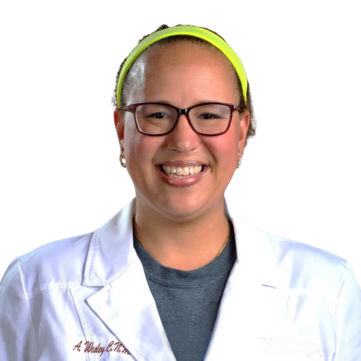
Alisha M. Wesley, APRN, CNM
Jenny Mathew, WNHP-BC
Claire Bareiss, PA-C
Madison Monk, PA-C, MS
Carter S. Black, RPh
Find a Gynecologist Near You
Choose from five trusted locations across Chicago’s northwest suburbs and get care close to home.
Arlington Heights (Central Rd)
1614 W. Central Rd, Suite 205, Arlington Heights, IL 60005
Arlington Heights (Rand Rd)
1051 W Rand Rd, Suite 101, Arlington Heights, IL 60004
Buffalo Grove
Kildeer
Schaumburg
Take the Next Step Today Toward a Lighter, Freer You
A myomectomy is a surgical procedure that removes fibroids while preserving the uterus. Unlike a hysterectomy, which removes the entire uterus, a myomectomy preserves your ability to become pregnant.
Fibroids are benign (noncancerous) growths in the uterus. Uterine fibroids are very common, and many women don’t experience symptoms. However, larger fibroids can cause heavy or painful periods, pelvic pressure, lower back pain, discomfort during sex, and urination issues.
If you’re experiencing heavy periods, pelvic pain, or fertility issues caused by fibroids, your doctor may recommend a myomectomy. This decision is typically made after imaging and a detailed consultation to understand your symptoms and goals.
Depending on the size, number, and location of fibroids, your doctor may recommend an abdominal (open surgery), laparoscopic (minimally invasive), or hysteroscopic (non-invasive) myomectomy.
Recovery time varies based on the type of procedure. If your myomectomy is performed hysteroscopically, full recovery can be just a matter of days. A laparoscopic myomectomy typically takes around 2 to 4 weeks for recovery, while an abdominal myomectomy may take up to 6 weeks.
Most patients experience lighter, more regular, and less painful periods after a myomectomy, especially if fibroids were the source of symptoms. Your doctor will continue to monitor your cycle and answer any questions during follow-up visits.
Yes, many women can get pregnant after a myomectomy, especially if fibroids were impacting fertility. Your doctor will discuss with you a safe timing for pregnancy based on your recovery process.
While a myomectomy removes existing fibroids, it doesn’t prevent new ones from sometimes developing. If fibroids return, your provider will talk you through additional treatment options tailored to your needs and reproductive plans.
We use modern technologies including HTML5, CSS3, JavaScript, React, Vue.js, PHP, Python, and various CMS platforms like WordPress and custom solutions.