













Why Book an Annual Well Woman Exam?

Booking your annual well woman exam is a simple but powerful way to stay on top of your health. This preventive visit helps catch concerns early—like fibroids, cysts, STDs, and even signs of cancer—often before you notice symptoms. It also includes important screenings like Pap smears, HPV tests, and bloodwork based on your age and health needs. Just as importantly, it gives you space to talk about things that impact your well-being—like mood, sleep, sexual health, or fertility—with someone who truly listens. Most insurance plans cover this visit in full, so it’s an easy way to invest in yourself and feel confident about your health, now and in the future.

Services You May Receive at Your Yearly Visit

Your well woman visit is tailored to your age, health history, and life stage—and may include some or all of the following services:

Mask group (1)
Pap Smear & Cervical Screening
Mask group (1)

Pap Smear & Cervical Screening

A quick test that checks for abnormal cervical cells and HPV, helping catch early signs of cervical cancer before symptoms appear.

Mask group (2)
Pelvic Exam
Mask group (2)

Pelvic Exam

A gentle, hands-on check of your uterus, ovaries, cervix, and vagina to identify any signs of cysts, fibroids, prolapse, or other concerns.

Mask group (3)
Breast Exam
Mask group (3)

Breast Exam

A manual exam to detect lumps or changes in breast tissue, often paired with a mammogram referral if needed based on your age or risk factors.

Mask group (4)
STD Screening
Mask group (4)

STD Screening

Discreet testing for common sexually transmitted infections, including chlamydia, gonorrhea, syphilis, and HIV—based on your lifestyle and risk factors.

Mask group (5)
Urinary Screening
Mask group (5)

Urinary Screening

A simple urine test to check for signs of urinary tract infections, bladder issues, or other concerns that may not show obvious symptoms.

blood-test 1
Bloodwork & Health Screening
blood-test 1

Bloodwork & Health Screening

Lab tests may include checks for anemia, thyroid problems, diabetes, hormone levels, or vitamin deficiencies—tailored to your health profile.

icon
Immunizations & Preventive Counseling
icon

Immunizations & Preventive Counseling

Depending on your age and needs, we may recommend vaccines (like HPV or flu) and provide guidance on nutrition, birth control, family planning, and more.

Get Started
icon
Bone Health & Menopause Preparation
icon

Bone Health & Menopause Preparation

We assess risk factors for osteoporosis and discuss hormonal changes or symptoms you may be noticing as you approach or move through menopause.

Get Started
icon
Emotional, Sexual & Reproductive Wellness
icon

Emotional, Sexual & Reproductive Wellness

Your visit is also a chance to talk openly about your mental health, sex life, fertility, or anything else affecting your overall well-being.

Get Started

Video title goes here

There are many variations of passages of Lorem Ipsum available, but the majority have suffered alteration in some form, by injected humour, or randomised words.

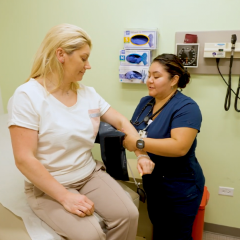
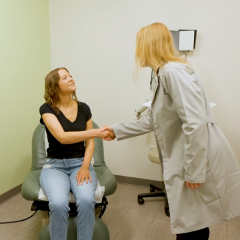
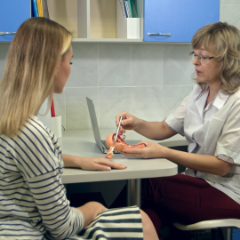
We begin with a conversation about your medical history, menstrual and sexual health, lifestyle, and any questions or concerns you may have. This not only sets a baseline for your unique health, but also enables your provider to personalize your care.

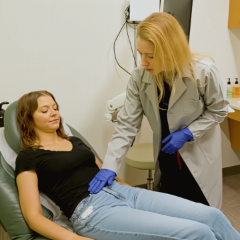
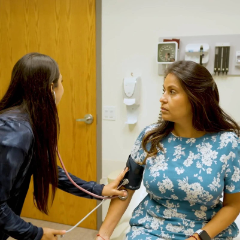
Next comes the physical exam, tailored to your age and risk profile. Typically, this includes a gentle breast exam to check for any changes or lumps and a pelvic exam that may involve both external inspection and internal evaluation with a speculum and bimanual palpation. These exams help screen for conditions like fibroids, cysts, STDs, prolapse, and early signs of cancer.

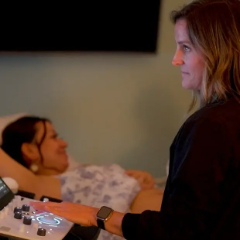
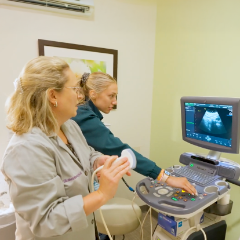
Based on your needs, we may also collect samples for a Pap smear, HPV or STD testing, urine testing, blood work, or even bone density screening if you’re approaching menopause. These targeted tests help us monitor everything from hormone levels and infections to early markers of chronic conditions like osteoporosis.

Finally, you’ll have time for open, two-way dialogue—whether it's about fertility, contraception, mood, sleep, or sexual well-being. Together, we’ll review your results, offer tailored advice, and outline follow-up steps or referrals as needed. 

What to Expect During Your Annual Exam

It’s completely normal to feel anxious or nervous before your annual exam, especially if it is your first visit with a new doctor or your first gynecological exam ever. To help ease your mind, here’s what you can expect:
Mask group (6)

Insurance Information

Most insurance plans cover annual well-woman exams at no cost when performed in-network, including the exam, Pap smear, and routine screenings. WomanCare accepts a wide range of insurance providers and can help verify your benefits ahead of time. If you're uninsured, self-pay options are available to ensure you still receive the care you need. 

Mask group (7)

Patient Resources

From accessing the patient portal to downloading forms, reviewing insurance details, and exploring helpful FAQs and educational guides – we make it easy to stay informed, prepared, and confident in your care.

Find a Gynecologist Near You

Choose from five trusted locations across Chicago’s northwest suburbs and get care close to home.

Arlington Heights (Central Rd)

1614 W. Central Rd, Suite 205, Arlington Heights, IL 60005

Arlington Heights (Rand Rd)

Buffalo Grove

Kildeer

Schaumburg

Take the First Step Toward Care That
Feels Right – From the Start

Most women should get a Pap smear every 3 years starting at age 21, or every 5 years if combined with HPV testing after age 30. However, your provider may recommend a different schedule based on your personal health risks.

No. A Pap smear is just one part of the annual exam—it’s a cervical cancer screening. The full visit includes other services like breast and pelvic exams, lab testing, and health counseling based on your individual needs.

Yes. Most insurance plans cover annual well woman exams at no cost when performed in-network. This typically includes the exam, Pap smear, routine lab work, and many preventive screenings.

Absolutely. Your annual exam is a great opportunity to talk about anything on your mind—such as periods, birth control, mood changes, sleep, sexual health, fertility, or menopause symptoms.

Yes. Annual exams are important even if you're not sexually active. They help monitor your general health, check for non-sexual conditions, and establish care with a provider who knows your history.

You should schedule your exam once every 12 months. Even if you're feeling healthy, this yearly visit allows for early detection, updated screenings, and preventive care based on your current life stage.

Yes. Your provider can talk with you about birth control, family planning, fertility questions, or menopause-related changes—all as part of your personalized care during the exam.

If your Pap smear or other tests come back abnormal, we may recommend additional procedures such as a colposcopy or biopsy. These are quick, in-office follow-ups to help us learn more and guide next steps.

Yes. If you have a family history of breast or ovarian cancer—or other risk factors—your provider can discuss whether BRCA or other genetic testing is appropriate for you.

Avoid vaginal medications, douching, or intercourse for 48 hours before your appointment if you’re having a Pap smear. Wear comfortable clothes, bring a list of questions or symptoms, and know that you’re in control of what we cover during your visit.

Frequently Asked Questions