








Postpartum Care
From physical healing to emotional support, we’re here to help you feel truly supported in the weeks and months after childbirth.
What is Postpartum Care?
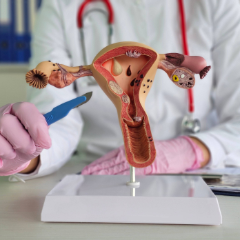
The weeks after childbirth can bring both joy and overwhelm, and your body and mind need time to adjust. Postpartum care with an OB/GYN includes much more than a six-week checkup. It’s ongoing support for healing from delivery (vaginal or C-section), managing bleeding and pain, monitoring mood and mental health, addressing breastfeeding concerns, and evaluating pelvic floor recovery. Your provider can also help with contraception planning, hormone shifts, and any lingering symptoms that may be affecting your comfort or confidence.
Postpartum Care Services
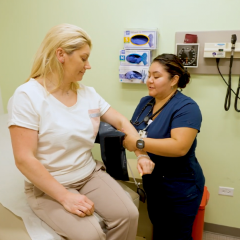
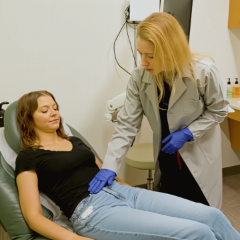
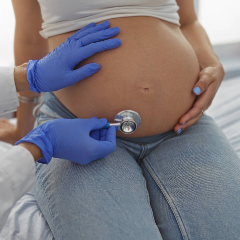
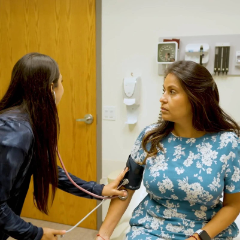
Postpartum Physical Exam
A gentle exam to check healing after vaginal or cesarean delivery.
Bleeding & Pain Management
We’ll monitor and treat any postpartum bleeding, cramping, and discomfort.
Pelvic Floor Assessment
We’ll screen for prolapse, incontinence, or pelvic pain, and refer you to physical therapy as needed.
Breast & Lactation Support
Expert help if you’re struggling with engorgement, nipple pain, or breastfeeding challenges.
Mood & Mental Health Screening
If you’re feeling down, we’ll evaluate for postpartum depression, anxiety, or emotional changes, with counseling or medication support if appropriate.
Contraception Counseling
We’ll discuss the birth control options that are safe for postpartum and while breastfeeding.
Hormonal Care
Gentle support for shifts in libido, hot flashes, night sweats, or other hormonal changes.
Get StartedC-Section or Perineal Care
We’ll provide monitoring and guidance for incision healing or perineal repair sites.
Get StartedFollow-Up on Pregnancy-Related Conditions
We’ll continue personal care for any pregnancy-related conditions, like gestational diabetes, high blood pressure, or thyroid issues.
Get StartedYour provider typically recommends scheduling your visit within 4 to 6 weeks after delivery. If you’re recovering from a C-section or experiencing symptoms like heavy bleeding, mood changes, or breastfeeding pain, they may want to see you sooner. It can also help jot down any questions or concerns ahead of time—nothing is too small or personal to bring up.
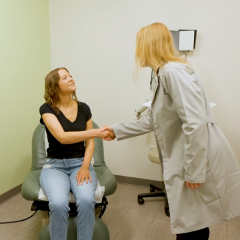
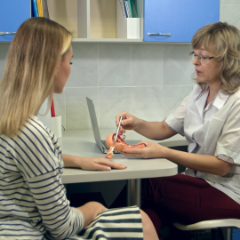
Your provider will check on your physical recovery, including your uterus, incision, or perineal healing, and any pain you’re experiencing. They may ask about your bleeding, sleep, appetite, bowel/bladder function, and emotional well-being. You’ll also have the chance to talk about breastfeeding, intimacy, contraception, and how you’re adjusting overall—this is a space for open conversation and whole-person care.
Depending on your needs, your provider may schedule follow-up care, refer you to physical therapy or mental health support, or adjust any medications. You’ll leave with a care plan that supports your next phase—whether that’s continued healing, transitioning back to work, or managing new-parent stress.
What to Expect at Your First Postpartum Appointment
Insurance Information
Most insurance plans cover at least one postpartum visit as part of your maternity care, including physical recovery checks, mental health screenings, and breastfeeding support. However, additional services—like pelvic floor therapy, counseling sessions, or certain medications—may require separate coverage or pre-approval. It’s a good idea to check your plan details or speak with a billing specialist to understand what’s included and avoid unexpected costs.
Patient Resources
From accessing the patient portal to downloading forms, reviewing insurance details, and exploring helpful FAQs and educational guides – we make it easy to stay informed, prepared, and confident in your care.
Meet Our Gynecologists

Randall C. Kahan, MD
Meet Dr. Randall C. Kahan of WomanCare, serving Cook & Lake County, IL. Providing trusted gynecology, obstetrics, and compassionate women’s health services.
Erin Kopeny, PA-C
Leta M. Vega, DNP, APN, CNM
Gina Marcin, CNM, LAc, RH (AHG)
Alisha M. Wesley, APRN, CNM
Jenny Mathew, WNHP-BC
Claire Bareiss, PA-C
Madison Monk, PA-C, MS
Carter S. Black, RPh
Find a Gynecologist Near You
Choose from five trusted locations across Chicago’s northwest suburbs and get care close to home.
Arlington Heights (Central Rd)
1614 W. Central Rd, Suite 205, Arlington Heights, IL 60005
Arlington Heights (Rand Rd)
1051 W Rand Rd, Suite 101, Arlington Heights, IL 60004
Buffalo Grove
Kildeer
Schaumburg
Don’t Navigate Postpartum Alone
Most patients are seen around 4 to 6 weeks after delivery, but earlier follow-up may be recommended if you had a C-section, complications, or are experiencing symptoms.
Your provider will check on your physical healing, screen for emotional health concerns, discuss birth control options, and answer any questions about breastfeeding, sleep, or recovery.
Not exactly. “Baby blues” are common and short-lived, but postpartum depression is more intense and longer-lasting. Talk to your provider if you’re feeling persistently sad, overwhelmed, or withdrawn.
Heavy bleeding, fever, severe pain, signs of infection, or intense mood changes are all reasons to contact your provider right away.
Yes. Your provider can help you choose a method that fits your goals, timeline, and breastfeeding status
Mild discomfort can be normal, but persistent pain or leakage may signal a pelvic floor issue. Your provider can evaluate and refer you to physical therapy if needed.
Yes. They’ll assess how your body is healing and ensure everything looks healthy and on track.
Absolutely. Whether you’re having pain, latching issues, or supply concerns, your provider can offer support or refer you to a lactation consultant.
You’re not alone. Many new parents feel overwhelmed or detached at first. It’s important to share how you’re feeling—support is available, and things can improve with care.
You can continue follow-up visits, therapy, or specialist care as needed. Postpartum recovery isn’t one-size-fits-all; ongoing care is part of your overall wellness.