




















What Menopause Management Means for Your Health

Menopause isn’t just the end of your period—it’s a full-body shift that can affect everything from sleep and mood to bone health and intimacy. Every woman will go through menopause, typically between the ages of 45 and 55, though the symptoms and timing can vary widely. Whether you're navigating hot flashes, memory changes, or vaginal dryness, seeking care isn’t about “fixing” menopause—it’s about managing the transition with confidence, comfort, and personalized support.

Menopause Treatment and Services

For those seeking help for menopause, we offer a range of evidence-based treatments tailored to ease your symptoms and support your long-term wellness.

Mask group (1)
Hormone Therapy (HT)
Mask group (1)

Hormone Therapy (HT)

This includes low-dose estrogen or combination therapy (estrogen + progesterone) to relieve hot flashes, night sweats, vaginal dryness, and mood changes.

Mask group (2)
Bioidentical Hormone Therapy (BHRT)
Mask group (2)

Bioidentical Hormone Therapy (BHRT)

Plant-based hormones—available in pills, patches, creams, or pellets—designed to mimic your body’s natural hormones.

NWHPIcon - Non-Hormonal Medications copy
Non-Hormonal Medications
NWHPIcon - Non-Hormonal Medications copy

Non-Hormonal Medications

We’ll explore options like SSRIs or gabapentin for hot flashes, as well as treatments for bone health and sleep support.

NWHPIcon - Vaginal Health copy
Vaginal Health Therapies
NWHPIcon - Vaginal Health copy

Vaginal Health Therapies

Prescription creams, vaginal estrogen, and laser vaginal rejuvenation to address dryness, irritation, or painful intimacy.

NWHPIcon - Bone Density Screening (DEXA) copy
Bone Density Screening (DEXA)
NWHPIcon - Bone Density Screening (DEXA) copy

Bone Density Screening (DEXA)

This will identify any early signs of osteoporosis so you can protect your bone strength during and after menopause.

NWHPIcon - Mood and Sleep Support copy
Mood and Sleep Support
NWHPIcon - Mood and Sleep Support copy

Mood and Sleep Support

If needed, we’ll provide care plans that address irritability, anxiety, insomnia, or cognitive shifts, often in collaboration with mental health providers.

NWHPIcon - Thyroid and Hormonal Bloodwork copy
Thyroid and Hormonal Bloodwork
NWHPIcon - Thyroid and Hormonal Bloodwork copy

Thyroid and Hormonal Bloodwork

Thorough testing to rule out any overlapping conditions like thyroid dysfunction or adrenal fatigue.

Get Started

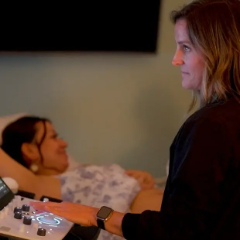
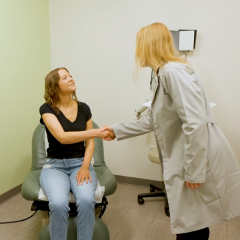
Your visit begins with a thoughtful conversation. We’ll talk through your symptoms, health history, lifestyle, and how menopause may be affecting your daily life—whether it’s sleep issues, mood shifts, intimacy concerns, or persistent fatigue. This helps us understand your whole picture and tailor your care from the start.

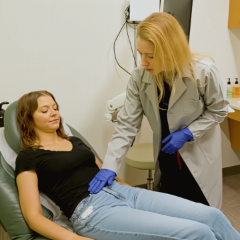
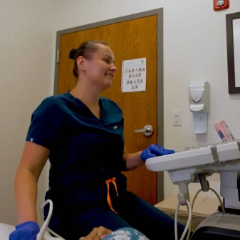
During your exam, your provider will complete a gentle physical exam, which may include a pelvic and breast exam based on your age and symptoms. We may also recommend bloodwork to check hormone levels, thyroid function, and other markers influencing your well-being. If vaginal dryness or discomfort is a concern, we’ll offer options right away.

Afterwards, we’ll review your results and walk through your options—from lifestyle recommendations to hormone therapy or alternative treatments. You’ll leave with a clear care plan, next steps, and a provider who stays with you throughout your menopause journey. Most importantly, you’ll know you have a partner who truly hears you.

Menopause Treatment: What to Expect

If you're wondering how to manage menopause, you're not alone—and you don't have to guess your way through it. From your first visit, we’re here to listen, assess your needs, and create a plan that helps you feel like yourself again.
Mask group (6)

Insurance Information

Many menopause-related services—such as annual exams, bloodwork, and evaluations for symptoms like hot flashes or sleep disturbances—are typically covered by insurance when deemed medically necessary. Coverage for hormone therapy, bone density scans, or vaginal health treatments, however, can vary based on your plan. Our team is happy to help verify your benefits in advance and review self-pay options if needed, so cost never keeps you from getting the care you deserve.

Mask group (7)

Patient Resources

From accessing the patient portal to downloading forms, reviewing insurance details, and exploring helpful FAQs and educational guides – we make it easy to stay informed, prepared, and confident in your care.

Find a Gynecologist Near You

Choose from five trusted locations across Chicago’s northwest suburbs and get care close to home.

Arlington Heights (Central Rd)

1614 W. Central Rd, Suite 205, Arlington Heights, IL 60005

Arlington Heights (Rand Rd)

Buffalo Grove

Kildeer

Schaumburg

Don’t Power Through Menopause Alone

Most women begin menopause between the ages of 45 and 55. Perimenopause—the transitional phase before menopause—can start several years earlier.

Hot flashes, night sweats, sleep problems, mood changes, vaginal dryness, low libido, and memory lapses are all common—and manageable.

If your periods are irregular and you’re experiencing new symptoms like hot flashes or sleep issues, you may be in perimenopause. A blood test can help confirm hormonal shifts.

Yes. Pregnancy is still possible until you’ve gone 12 months without a period. If you’re not planning to conceive, we’ll discuss birth control options.

Not at all. Hormone therapy is just one option. We also offer non-hormonal treatments, lifestyle coaching, and vaginal therapies based on your needs and preferences.

For most healthy women under age 60 or within 10 years of menopause, hormone therapy is considered safe and effective—but we’ll personalize your plan based on your health history.

We offer several treatments, including vaginal estrogen, moisturizers, and laser therapies designed to restore comfort and intimacy.

Hormonal changes can slow metabolism and alter fat distribution. To help manage these changes, we offer nutrition counseling, lifestyle support, and medical guidance.

Yes. Mood swings, anxiety, or depression can emerge or worsen during menopause. It’s important to talk about it—we’ll support you with treatment options that address both body and mind.

We recommend at least one annual visit, or more often if you’re starting a new treatment, managing symptoms, or have ongoing concerns.

Frequently Asked Questions