

















What is Endometrial Ablation?

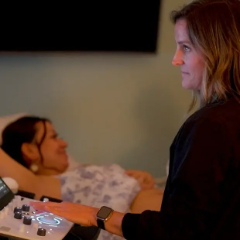
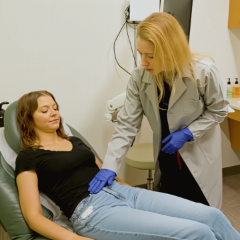
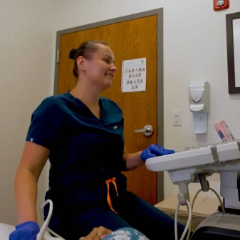
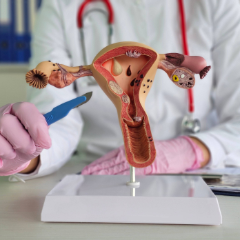
Endometrial ablation is a quick treatment for heavy periods. This in-office or outpatient procedure works by gently removing the thin lining of the uterus, which reduces or stops heavy menstrual bleeding. Using heat, cold, or radiofrequency energy, your provider treats the uterine lining without making any incisions. Endometrial ablation typically takes less than 30 minutes, and most patients go home the same day with only mild cramping. Recovery is usually quick—many people return to normal activities within a day or two and experience lighter periods (or none at all) within the first few months.

Your provider may recommend endometrial ablation if:

  • You have heavy or prolonged periods that interfere with your daily life
  • Hormonal treatments haven’t worked or aren’t a good fit for you
  • You’re looking for a non-hormonal option to manage menstrual bleeding
  • You’ve completed childbearing and want to avoid major surgery
  • You experience anemia or fatigue due to blood loss from heavy periods

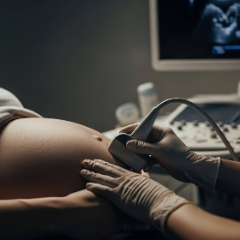
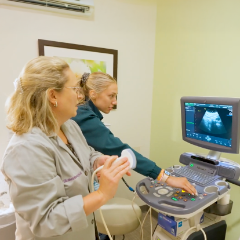
Before the procedure, your provider will review your symptoms, medical history, and any recent test results. You may be asked to undergo imaging—like an ultrasound or hysteroscopy—to assess your uterine lining and rule out other conditions. Depending on your health needs and the method used, the procedure may be done in the office or at an outpatient surgical center. You’ll receive clear instructions about eating, drinking, and any medications to pause the day before.

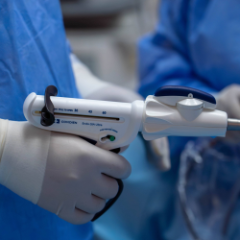
This procedure typically takes less than 30 minutes, and you’ll either be given a local anesthetic, sedation, or light general anesthesia depending on the setting and approach. Using a small instrument inserted through the cervix, your provider applies heat, cold, or radiofrequency energy to remove the uterine lining—no incisions required. You may feel some mild cramping, similar to period pain.

Most people go home the same day as the procedure and return to their usual routine within a day or two. Some light cramping, spotting, or watery discharge is common for a few days. Your provider will let you know when to resume sexual activity and tampon use, and when to schedule a follow-up. Many patients notice a lighter period—or no period at all—within a few months after the procedure as the body adjusts.

Minimally Invasive Endometrial Ablation: What to Expect

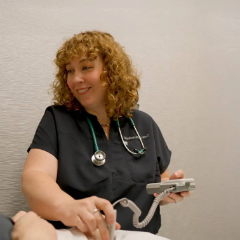
Understanding what happens before, during, and after an endometrial ablation can ease anxiety and help you feel confident heading into your procedure. When you come in for an endometrial ablation procedure at WomanCare, we’ll walk you through every step and ensure all your questions are answered, so there are no surprises, just support.
Mask group (6)

Insurance Information

Endometrial ablation is often covered by insurance when it’s deemed medically necessary to treat heavy or abnormal uterine bleeding. However, most plans require documentation of symptoms and prior treatments, such as failed medication or hormone therapy, before approving coverage. WomanCare accepts a wide range of insurance providers and can help verify your coverage beforehand, so you know what to expect before your procedure.

Mask group (7)

Patient Resources

From accessing the patient portal to downloading forms, reviewing insurance details, and exploring helpful FAQs and educational guides – we make it easy to stay informed, prepared, and confident in your care.

Find a Gynecologist Near You

Choose from five trusted locations across Chicago’s northwest suburbs and get care close to home.

Arlington Heights (Central Rd)

1614 W. Central Rd, Suite 205, Arlington Heights, IL 60005

Arlington Heights (Rand Rd)

Buffalo Grove

Kildeer

Schaumburg

Take the First Step Toward Lighter, Easier Periods—Without Surgery

Endometrial ablation is a procedure that removes the lining of the uterus to reduce or stop heavy menstrual bleeding.

Many people have significantly lighter periods or no periods at all after ablation, but results will vary. Some may continue to have light or irregular bleeding.

No. While pregnancy is less likely after ablation, it’s still possible—and can be risky. You’ll need to use birth control if you're not in menopause and wish to avoid pregnancy.

You may be a good candidate if you have heavy periods that haven’t improved with medication and you’re done having children. Your provider will evaluate your health and uterine anatomy first.

You may feel mild cramping during or after the procedure, but most patients find the discomfort manageable. Anesthesia or sedation options help keep you comfortable.

Most patients return to normal activities within 24–48 hours. For a few days, you might experience mild cramping, spotting, or watery discharge.

As with any procedure, there are some risks—such as infection or injury—but complications are rare. Your provider will review the risks and answer any concerns you may have.

In most cases, yes—especially if it’s medically necessary. WomanCare can help you check your coverage and understand any costs ahead of time.

Many endometrial ablation procedures are done in-office with minimal downtime, depending on your needs and the method used.

If bleeding continues or symptoms return, other treatments—such as hormone therapy or hysterectomy—may be discussed. Your provider will work with you on the next best steps.

Frequently Asked Questions