



















What is Non-Surgical Vaginal Rejuvenation?

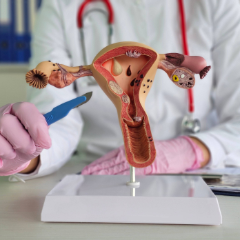
As women age, estrogen levels approach zero. The vagina and vulva are especially affected since they are very estrogen-dependent tissues. Lack of vaginal lubrication, thinning of the vaginal mucosa (skin), and a decrease in vaginal elasticity lead to painful intercourse. Since women live decades with no hormones, this can be a depressing scenario for some. Fortunately, this is where a laser vaginal rejuvenation treatment can help. 


Laser vaginal rejuvenation, an FDA-approved in-office procedure, can be beneficial for those who experience:

  • Vaginal dryness or discomfort, especially after menopause
  • Mild urinary incontinence or leakage with sneezing, laughing, or exercise
  • A feeling of vaginal laxity or reduced tone, often after childbirth
  • Pain during intercourse or decreased sexual sensation
  • Recurrent vaginal infections due to tissue changes

Your provider will meet with you to discuss your symptoms, explain how laser vaginal rejuvenation works, and ensure it’s the right option for your needs. No special preparation is typically required, and the treatment can often be done the same day as your consultation.

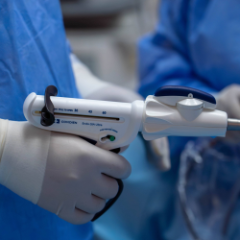
The procedure is quick—usually about 5 to 10 minutes—and takes place in a private, comfortable setting. A slim, wand-like device is gently inserted into the vagina to deliver controlled laser energy that stimulates collagen production and tissue renewal. Most patients describe a warming sensation with little to no discomfort.

You can return to normal daily activities right away, though you’ll be asked to avoid vaginal intercourse and tampons for about 3 to 5 days. Some women notice improvement after just one session, though a series of treatments may be recommended for the best results.

What to Expect During a Vaginal Revitalization Treatment

It’s natural to have questions before starting something new, especially something this personal. Here’s what to expect every step of the way, so you can feel prepared and confident in your care.
Mask group (6)

Insurance Information

Laser vaginal rejuvenation is considered an elective, non-medically necessary procedure, so it’s typically not covered by insurance plans. However, many patients find the investment worthwhile for the comfort and quality-of-life benefits it provides. Our team can walk you through self-pay options and help you plan for care in a way that fits your budget.

Mask group (7)

Patient Resources

From accessing the patient portal to downloading forms, reviewing insurance details, and exploring helpful FAQs and educational guides – we make it easy to stay informed, prepared, and confident in your care.

Find a Gynecologist Near You

Choose from five trusted locations across Chicago’s northwest suburbs and get care close to home.

Arlington Heights (Central Rd)

1614 W. Central Rd, Suite 205, Arlington Heights, IL 60005

Arlington Heights (Rand Rd)

Buffalo Grove

Kildeer

Schaumburg

Feel Like Yourself Again—Comfort, Confidence, and Intimacy Start Here

It’s a non-surgical treatment that uses gentle laser energy to stimulate collagen production and restore vaginal tissue, improving dryness, elasticity, and overall comfort.

It can relieve vaginal dryness, itching, burning, mild laxity, frequent infections, and pain during intercourse, especially related to menopause or postpartum changes.

Most patients describe it as a warm, mild sensation with little to no discomfort. No anesthesia is needed.

Each session takes just 5 to 10 minutes, and you can return to your normal activities right after.

Most women see the best results after 2–3 treatments, spaced a few weeks apart, followed by an annual maintenance session if desired.

Some women feel improvements after the first session, but full benefits typically build gradually over a few weeks.

Yes. It’s FDA-cleared, minimally invasive, and performed by trained providers in a safe, private environment.

Absolutely! It’s commonly used by women navigating postmenopause, postpartum healing, or age-related changes in vaginal health.

Side effects are minimal—mild redness or discharge is possible. You’ll be asked to avoid vaginal intercourse and tampons for 3 to 5 days.

Because it’s considered elective, it’s typically not covered by insurance, but flexible self-pay options are available.

Frequently Asked Questions