



















Urodynamics
When bladder symptoms are confusing, urodynamics help us understand what our bodies are trying to tell us.
What is a Urodynamics Testing?
A urodynamic test is a safe and painless procedure to test how well your bladder, urethra, and sphincters work together to store and release urine. During the test, your provider gently fills your bladder with a saline solution using a small catheter and monitors how your body responds. The process typically takes around an hour. Once complete, your results will give you and your provider valuable insight into your bladder function, so you can move forward with a care plan that works for you.
Your provider may recommend you for a urodynamic test if you’re experiencing:
- Urine incontinence (leakage)
- Difficulty fully emptying your bladder
- Frequent urination
- Sudden and overwhelming urges to urinate
- Weak or intermittent urine flow
- Recurring urinary tract infections (UTIs)
Diagnosing the Problem: The Role of Urodynamics Tests
If you’re dealing with urinary leaks, urgency, or pelvic pressure, getting answers starts with understanding what’s happening inside. In this short video, Dr. Randall Kahan walks you through what a urodynamics test involves—and how it helps us tailor the right treatment for you.
To prepare for your test, we’ll ask you to complete a urinalysis and clean-catch urine culture at one of our office locations. If you take any bladder medications (like Detrol LA, Ditropan, or Urecholine), you’ll need to pause them for four days prior to your test.
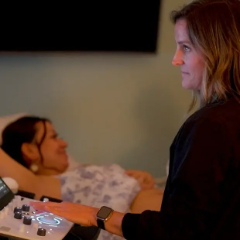
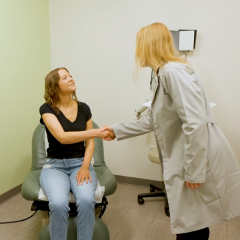
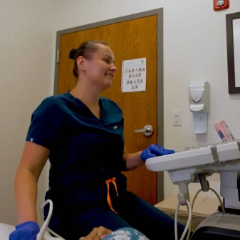
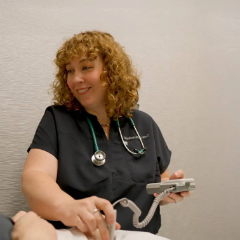
Your nurse will begin by taking a bladder history, where you’ll be asked a few questions about your bladder habits and urinary symptoms. You’ll then be asked to empty your bladder in the restroom before changing into a gown from the waist down.
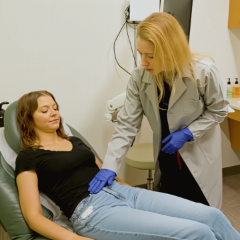
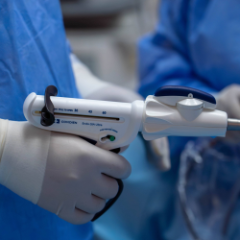
Your nurse will insert a small catheter through the urethra into your bladder and gently fill your bladder with a saline solution. A second catheter will be placed in your vagina to provide additional data. You will be asked to share any sensations you feel and how they compare to what you typically feel at home. You may also be asked to cough, bear down (called a “Valsalva maneuver”), or briefly stand, so we can observe how your bladder responds during common activities.
Once your test is complete, you can get dressed and return to your regular routine. Your care team will review your results, and if an overactive bladder diagnosis is found, they will follow up with a personalized plan based on your bladder function and symptoms.
Your Urodynamic Test Procedure: What to Expect
Insurance Information
Most health insurance plans will cover urodynamic testing when medically necessary. Our team is here to help you confirm your coverage and understand any out-of-pocket costs, so there are no surprises on test day.
Patient Resources
From accessing the patient portal to downloading forms, reviewing insurance details, and exploring helpful FAQs and educational guides – we make it easy to stay informed, prepared, and confident in your care.
Meet Our Gynecologists

Randall C. Kahan, MD
Meet Dr. Randall C. Kahan of WomanCare, serving Cook & Lake County, IL. Providing trusted gynecology, obstetrics, and compassionate women’s health services.
Erin Kopeny, PA-C
Leta M. Vega, DNP, APN, CNM
Gina Marcin, CNM, LAc, RH (AHG)
Alisha M. Wesley, APRN, CNM
Jenny Mathew, WNHP-BC
Claire Bareiss, PA-C
Madison Monk, PA-C, MS
Carter S. Black, RPh
Find a Gynecologist Near You
Choose from five trusted locations across Chicago’s northwest suburbs and get care close to home.
Arlington Heights (Central Rd)
1614 W. Central Rd, Suite 205, Arlington Heights, IL 60005
Arlington Heights (Rand Rd)
1051 W Rand Rd, Suite 101, Arlington Heights, IL 60004
Buffalo Grove
Kildeer
Schaumburg
Take the First Step Toward Bladder Control and Daily Comfort.
A urodynamic test evaluates how well your lower urinary tract (bladder, urethra, and sphincters) can store and release urine. It helps uncover the causes of urinary symptoms such as leakage, urgency, or difficulty emptying the bladder.
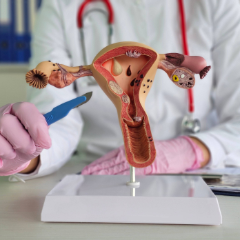
The lower urinary tract includes the bladder, urethra, and sphincters, which store and release urine. The bladder stores urine, while the urethra carries it out. When urine is stored, the bladder remains relaxed, and the sphincter is tight. During urination, the bladder contracts and the sphincter and pelvic floor muscles relax, allowing urine to flow out.
While the test may feel a bit uncomfortable at times, the process is entirely painless. We take every step to ensure you’re as relaxed and comfortable as possible.
Most urodynamic tests take around 1 hour. You’ll be able to go home right afterward.
To prepare for your test, we’ll ask you to complete a urinalysis and clean-catch urine culture at one of our office locations. Your provider may also ask you to arrive with a comfortably full bladder.
It’s best to avoid urodynamic testing during your period, as it may affect results or cause discomfort. Let your provider know if you’re menstruating on the day of your test, and we’ll gladly help you reschedule.
In many cases, your provider will discuss preliminary results with you right after the test. A full report and personalized treatment plan will typically follow within a few days.
Yes, you can return to your normal activities after the test. Some women experience mild discomfort when urinating for a day, but this typically resolves quickly.