















What is a Hysteroscopy Surgery?

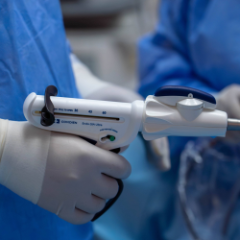
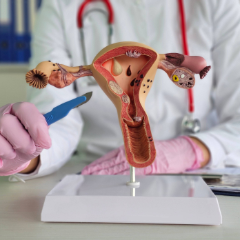
  • A hysteroscopy is a minimally invasive procedure that allows your provider to examine the inside of your uterus using a thin, lighted camera. It’s typically done in-office or as an outpatient procedure and takes about 15 to 30 minutes. Most patients go home the same day following a hysteroscopy and can return to normal activities within 24 to 48 hours, with only mild cramping or spotting.

    Your provider may schedule you for a hysteroscopy if:
  • You’re experiencing heavy or irregular periods
  • You’ve had bleeding after menopause
  • You’re struggling to get pregnant or stay pregnant
  • An ultrasound showed fibroids, polyps, or uterine scarring
  • You’ve had abnormal results from a Pap smear or biopsy

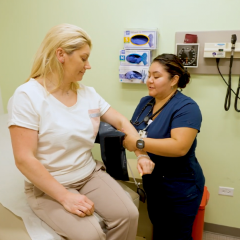
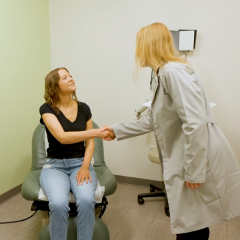
You may be asked to avoid eating or drinking for a few hours beforehand, depending on whether sedation will be used. Your provider will walk you through the steps and answer any last-minute questions to make sure you feel comfortable and informed.

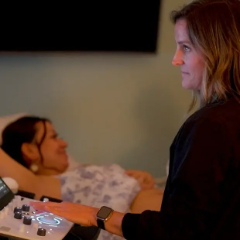
A thin, flexible camera called a hysteroscope is gently inserted through the vagina and cervix into the uterus. You may receive a local anesthetic or light sedation, depending on your needs. Most patients feel only mild pressure or cramping during the procedure.

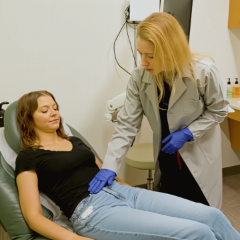
You’ll be monitored briefly before heading home the same day. Some light bleeding or cramping is common for a day or two. Most people return to their usual activities within 24–48 hours, though your provider may recommend avoiding sex or using tampons for a short time.

Hysteroscopy Surgery: What to Expect

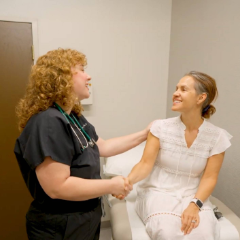
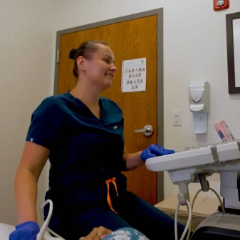
Like with any procedure, knowing what’s ahead can help ease any nerves. Here’s what to expect before, during, and after your hysteroscopy—so you can feel prepared every step of the way.
Mask group (6)

Insurance Information

Most insurance plans cover hysteroscopy when it’s medically necessary, such as for diagnosing abnormal bleeding, infertility, or suspected uterine conditions. WomanCare accepts a wide range of insurance providers and can help you confirm your coverage ahead of time. If you’re uninsured, we also offer self-pay options to ensure you can still access the care you need.

Mask group (7)

Patient Resources

From accessing the patient portal to downloading forms, reviewing insurance details, and exploring helpful FAQs and educational guides – we make it easy to stay informed, prepared, and confident in your care.

Find a Gynecologist Near You

Choose from five trusted locations across Chicago’s northwest suburbs and get care close to home.

Arlington Heights (Central Rd)

1614 W. Central Rd, Suite 205, Arlington Heights, IL 60005

Arlington Heights (Rand Rd)

Buffalo Grove

Kildeer

Schaumburg

When Answers Matter, We’re Here to Look Closer

It’s a quick, minimally invasive procedure that lets your provider see inside your uterus using a small camera, helping diagnose or treat issues like bleeding or infertility.

You may feel mild cramping, similar to period pain. Local anesthesia or light sedation is often used to keep you comfortable.

Most hysteroscopies take 15 to 30 minutes and are done in-office or as an outpatient procedure.

It’s often used to investigate heavy or irregular bleeding, postmenopausal spotting, fertility problems, or abnormal ultrasound results.

Not exactly. A hysteroscopy is a visual diagnostic tool, while a D&C (dilation and curettage) involves scraping the uterine lining. Sometimes both are done together.

Yes, most patients are awake with mild sedation or local anesthesia. Your provider will recommend the best option for you.

You may have light bleeding or cramping for a day or two, but most patients return to normal activities within 24–48 hours.

Yes. It can identify and sometimes treat uterine abnormalities—like fibroids, polyps, or scar tissue—that may affect your ability to conceive.

Avoid eating or drinking for a few hours if sedation is planned. Your provider may also recommend timing it early in your menstrual cycle.

In most cases, yes—especially when it investigates abnormal bleeding or fertility concerns. WomanCare can help confirm your coverage.

Frequently Asked Questions