









Your Week-by-Week Pregnancy Guide
Track your baby’s development and weekly pregnancy stages —with expert guidance on what to expect at every milestone.

Your Pregnancy Journey
Pregnancy is a time of incredible change—not just physically, but emotionally and mentally. You might find yourself dealing with everything from morning nausea and constipation to mood, energy, and appetite shifts. While many symptoms are common, that doesn’t mean you have to simply push through.
Safe, over-the-counter remedies can help with things like mild headaches, heartburn, or occasional sleeplessness—but always check with your provider before taking anything new. For nausea and vomiting, small, frequent meals and hydration often help, but if it impacts your daily life, let us know—we can offer options that bring relief.
It’s also completely normal to have questions about sex, travel, and self-care. For most people, intimacy is safe throughout pregnancy, but comfort and communication matter most. Traveling can usually be done safely, especially earlier in pregnancy, with a few extra precautions like staying hydrated and moving regularly.
And when it comes to self-care, think beyond bubble baths—nourishing meals, gentle movement, setting boundaries, and asking for help all count. Your mental health matters too. If you’re feeling persistently sad, anxious, or disconnected, you're not alone. We’re here to listen and support you with genuine care, not judgment. No question is too small, and no concern is too much—we’re in this with you.
At 16 weeks, your baby is continuing to grow—and so is your body’s preparation for life after birth. One incredible change happening at 16 weeks is the production of colostrum, often called “mother’s first milk.” You may not see or feel it yet, but this golden, nutrient-rich substance is already forming in your breasts. Colostrum is small in volume but mighty in benefits. It's packed with protein—more than 16 times the amount found in standard formula—and is incredibly easy for your newborn to digest.
Even more remarkably, colostrum is a powerful protector. It helps safeguard your baby from infections and diseases, earning its nickname from the World Health Organization: “Baby’s First Immunization.” It also plays a key role in reducing your baby’s risk of jaundice after birth. While you’re just starting to feel more energy and movement at this stage, your body is already doing some of its most meaningful work behind the scenes. If you have questions about breastfeeding, milk production, or how to prepare for those first feeds, we're here for you—every step of the way.
By 20–24 weeks, you’re likely feeling more connected to your pregnancy—baby kicks may be stronger, and your bump is more visible. But with these exciting milestones can come new physical changes, too. Back pain is one of the most common discomforts at this stage. It’s often caused by shifting posture, loosening ligaments, and your growing belly. Whether it’s a dull ache after a long day, sharp pain when climbing stairs, or soreness between the shoulder blades, relief is possible. Try warm baths, certified prenatal massage, gentle stretching, or ice packs to soothe muscles.
You might also notice some numbness or tingling in your wrists or fingers—this could be pregnancy-related carpal tunnel, which is also common. Minor adjustments like better wrist support at work, avoiding repetitive motions, or doing light stretches can ease the discomfort. And if you wake up with soreness in your hips or joints, you’re not alone. Changing sleep positions, avoiding uneven surfaces, and taking movement breaks during the day can help.
Around this stage of pregnancy, you'll undergo a screening for gestational diabetes—a condition that can affect how your body processes sugar during pregnancy. It’s caused by hormone changes that reduce insulin’s effectiveness, potentially raising blood sugar levels. While gestational diabetes often resolves after delivery, early detection is key to managing risks for both you and your baby, such as high birth weight, high blood pressure, or delivery complications.
The screening is simple: you’ll drink a sweet solution, wait an hour, and then have a quick blood draw. If your sugar level is elevated, we’ll follow up with a longer test and tailored care that may include nutrition guidance, daily monitoring, or insulin support if needed.
Learn More About High-Risk Pregnancies
You’ll also begin “kick counting”—a daily way to tune into your baby’s movements. Most babies move at least 10 times an hour when they’re active. By tracking these movements after meals or during your baby’s usual active time, you gain insight into their well-being between appointments. Not feeling 10 kicks? A sweet snack can sometimes help.
Still concerned? Call us — we’re here to evaluate and reassure you every step of the way.
As you enter the final stretch of pregnancy, you're not just preparing for delivery—you’re also making choices that could impact your baby’s long-term health. One option we encourage you to explore is cord blood banking.
After birth, the blood in your baby’s umbilical cord contains powerful stem cells used in thousands of life-saving treatments for conditions like leukemia, anemia, and immune disorders. These stem cells can be stored privately for your family’s future use or donated to help others. If no decision is made, the cord blood is simply discarded. Because collection happens immediately after birth, deciding before your due date is essential.
We’re here to guide you through this choice and connect you to resources, like Cord Blood Registry (CBR), the most trusted provider among OB/GYNs. Whether you choose to bank, donate, or decline, what matters most is that you feel informed and supported.
These final weeks are all about preparation—your baby’s and yours. Most babies are now head-down, practicing breathing movements, and steadily gaining weight (usually between 6½ to 7½ pounds) as their organs mature for life outside the womb. You may notice more pressure in your pelvis, stronger Braxton Hicks contractions, or increased fatigue—your body is working hard as baby drops lower in anticipation of labor, a process called “lightening.”
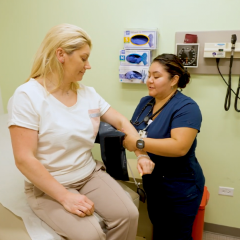
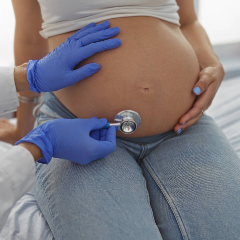
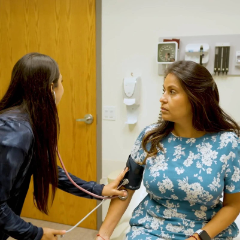
At your weekly visits, we’ll monitor you closely with blood pressure checks, fetal heart tone monitoring, and cervical exams to assess for dilation and readiness. Around this time, we also complete a Group B Strep culture, if not already done, and review the signs of actual labor so you’ll know when it’s time to call us. These visits are a chance to talk about birth plans, delivery preferences, and any final questions—because when the big moment arrives, we want you to feel informed, confident, and fully supported.
After birth, your body and mind undergo a profound transition known as the postpartum period. During this time, it’s completely normal to experience a mix of emotions—joy, fatigue, worry, even moments of sadness or overwhelm. These early emotional shifts, often called the “baby blues,” typically begin within a few days of delivery and fade on their own within two weeks. They’re a natural response to the rapid physical, hormonal, and lifestyle changes that come with new motherhood.
But for some women, these feelings don’t go away—and may even intensify. This could be a sign of postpartum depression (PPD), a common but serious condition affecting about 1 in 7 new mothers. PPD can begin any time in the first month and may include symptoms like persistent sadness, anxiety, irritability, trouble sleeping, and difficulty bonding with your baby.
If you feel this way, you’re not alone—and it’s not your fault. Help is available, and treatment can make a meaningful difference in how you feel and function. We’re here to listen and support you, every step of the way.