









What Are the Symptoms and Causes of Ovarian Cysts?

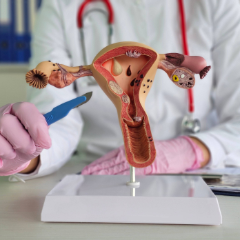
Ovarian cysts are fluid-filled sacs that form on or inside the ovaries, often as a natural part of your menstrual cycle. Many cysts are harmless and resolve on their own, but others may grow, cause discomfort, or interfere with your health. Common causes of ovarian cysts include hormonal shifts, endometriosis, pregnancy, or conditions like polycystic ovary syndrome (PCOS). Symptoms of ovarian cysts vary but typically include bloating, pelvic pain, irregular periods, pain during sex, or pressure in your lower abdomen. On the other hand, some cysts cause no symptoms at all and are discovered during routine exams or imaging.

Treatment for Ovarian Cysts

Your care plan for ovarian cysts may include one or several treatments, depending on your symptoms, cyst type, and health goals.

NWHP -Icon - Pelvic Floor Assessment-2 copy
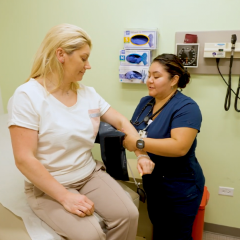
Pelvic Exam
NWHP -Icon - Pelvic Floor Assessment-2 copy

Pelvic Exam

A gentle in-office evaluation to better understand what you're experiencing.

NWHP -Icon - Ultrasound-2 copy
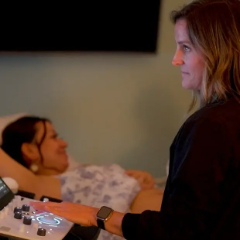
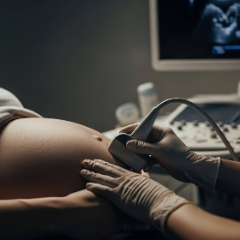
Transvaginal or Abdominal Ultrasound
NWHP -Icon - Ultrasound-2 copy

Transvaginal or Abdominal Ultrasound

Quick imaging to identify and monitor cysts.

NWHP -Icon - Bloodwork-2 copy
Hormonal Bloodwork
NWHP -Icon - Bloodwork-2 copy

Hormonal Bloodwork

This checks for hormonal imbalances that may contribute to cyst formation.

NWHP -Icon - Hormonal Birthcontrol copy
Hormonal Birth Control
NWHP -Icon - Hormonal Birthcontrol copy

Hormonal Birth Control

In some cases, pills or IUDs can help regulate cycles and reduce the formation of new ovarian cysts.

NWHP -Icon - Minimally Invasive Surgery copy
Minimally Invasive Gynecologic Surgery
NWHP -Icon - Minimally Invasive Surgery copy

Minimally Invasive Gynecologic Surgery

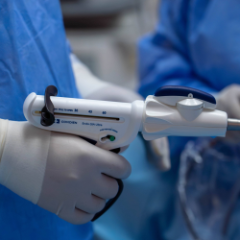
Minimally invasive, laparoscopic procedures done in-office to remove large, painful, or persistent cysts.

NWHP -Icon - Referral for advanced care copy
Referral for Advanced Care
NWHP -Icon - Referral for advanced care copy

Referral for Advanced Care

We’ll seamlessly coordinate your continued care with gynecologic specialists if additional treatment is needed.

Ahead of your visit, we encourage you to jot down any symptoms you’ve noticed, like pelvic pain, changes in your period, bloating, or discomfort during sex. It’s also helpful to track your menstrual cycle and bring a list of any medications or supplements you’re taking. Most importantly, know that no concern is too small—we’re here to listen without judgment.

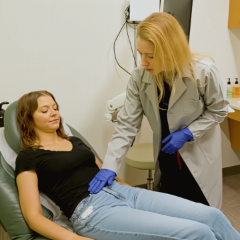
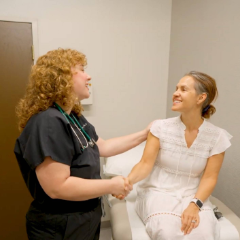
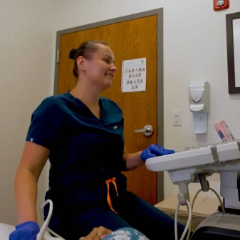
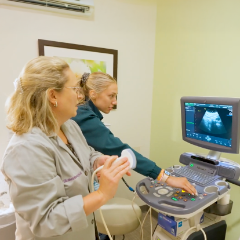
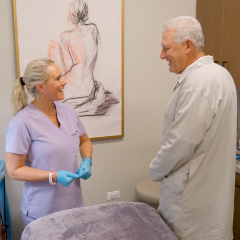
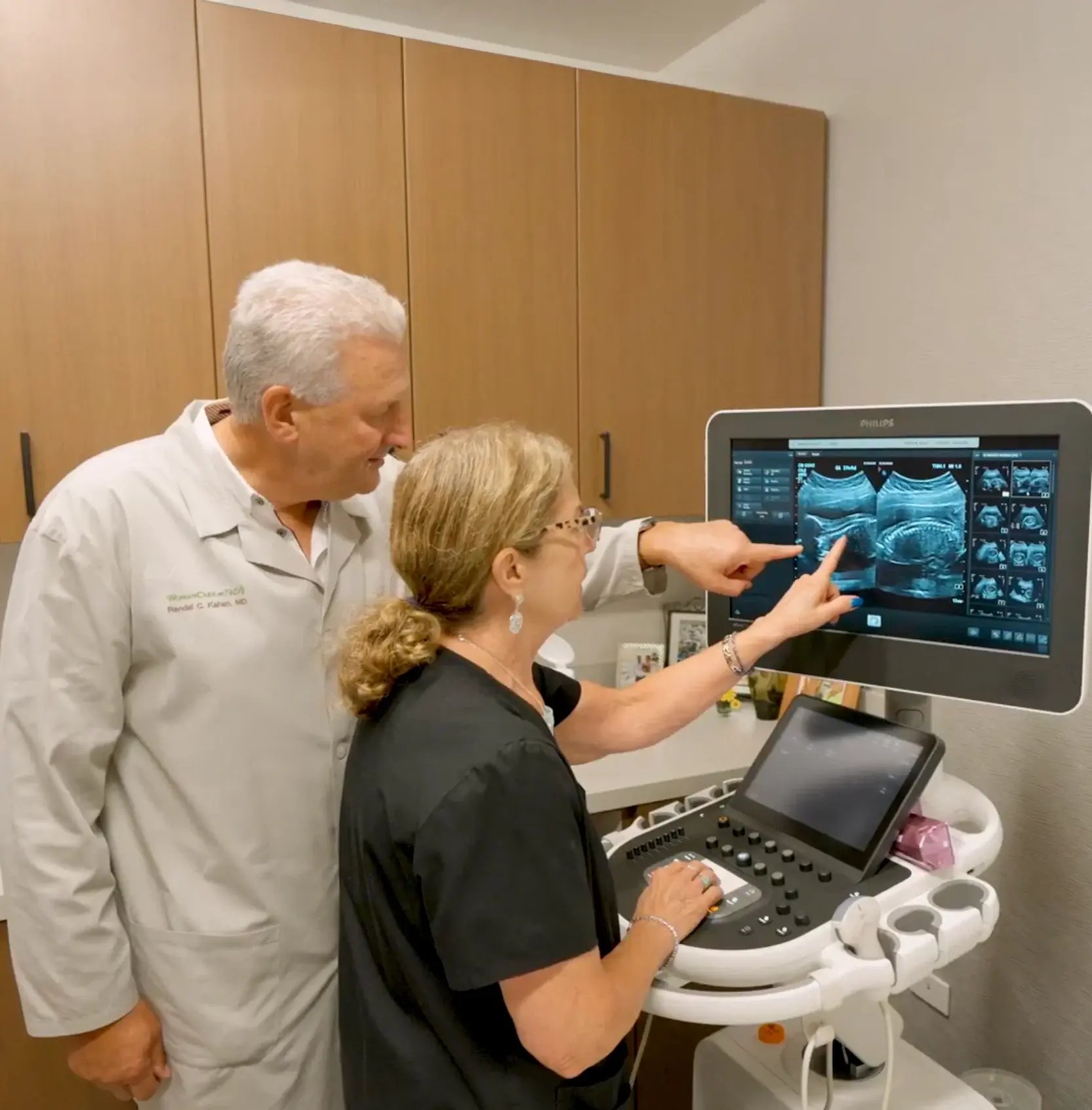
Your provider will begin by discussing your health history, symptoms, and any patterns you’ve observed. A gentle pelvic exam may follow to check for swelling, tenderness, or other physical signs of a cyst. If needed, we’ll perform a transvaginal or abdominal ultrasound on-site to get a clearer look at your ovaries. Depending on your age and symptoms, we may also order blood tests to assess your hormone levels or rule out other conditions.

Once we have a complete picture, we’ll walk you through your results in plain language and explain what they mean for your health. Whether your cyst simply needs monitoring or further treatment, we’ll co-create a plan that fits your comfort level and goals. You’ll leave with clear next steps—and an open door to reach out with questions at any time.

Diagnosing Ovarian Cyst Pain: What to Expect

Diagnosing and treating ovarian cysts starts with listening to your story and understanding your symptoms. We combine expert care with on-site testing to give you answers quickly—so you can move forward with clarity and confidence.
Mask group (6)

Insurance Information

Most diagnostic and treatment services for ovarian cysts—like ultrasounds, lab work, and follow-up visits—are covered by insurance when medically necessary. WomanCare accepts a wide range of insurance plans and can help confirm your benefits ahead of time. If you're uninsured or have high out-of-pocket costs, we also offer transparent self-pay options to ensure you still get the care you need.

Mask group (7)

Patient Resources

From accessing the patient portal to downloading forms, reviewing insurance details, and exploring helpful FAQs and educational guides – we make it easy to stay informed, prepared, and confident in your care.

Find a Gynecologist Near You

Choose from five trusted locations across Chicago’s northwest suburbs and get care close to home.

Arlington Heights (Central Rd)

1614 W. Central Rd, Suite 205, Arlington Heights, IL 60005

Arlington Heights (Rand Rd)

Buffalo Grove

Kildeer

Schaumburg

Don’t Ignore Ovarian Cyst Pain —Let’s Find a Treatment Right for You

An ovarian cyst is a fluid-filled sac that forms on or inside the ovary. Most are harmless and go away on their own, but some can grow, cause pain, or affect your cycle.

They often form during ovulation due to hormonal changes. Other causes include endometriosis, PCOS, pregnancy, or past ovarian surgeries.

Pelvic pain, bloating, irregular periods, pain during sex, or pressure in your lower belly. Some cysts cause no symptoms at all.

Cysts are usually found during a pelvic exam or confirmed through an ultrasound. Bloodwork may also be used to check hormone levels or rule out other issues.

Not usually. Many cysts go away on their own. Surgery is only considered if a cyst is large, painful, or not improving with time.

Yes. Hormonal birth control can help prevent new cysts from forming by regulating your ovulation cycle.

Most ovarian cysts are benign (non-cancerous). Your provider may monitor or test certain types of cysts to rule out any risk.

A ruptured cyst can cause sudden, sharp pain and sometimes internal bleeding. It’s important to call your provider or go to urgent care if this happens.

In most cases, no. But certain conditions, like PCOS or endometriosis-related cysts, may impact your fertility. We’ll help you understand your options.

We offer same-day imaging, hormonal evaluations, symptom management, and minimally invasive surgery if needed—all personalized to your health goals.

Frequently Asked Questions