





What Are Uterine Fibroids?

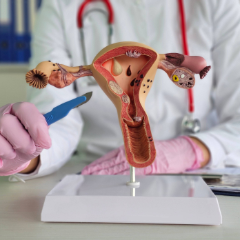
Uterine fibroids are non-cancerous growths in or around the uterus, often appearing during your 30s and 40s. They're linked to hormones like estrogen and progesterone, and can run in families. Types of uterine fibroids include intramural (in the uterine wall), submucosal (inside the cavity), subserosal (on the outer wall), and pedunculated (on a stalk). Some cause no symptoms, while others lead to heavy bleeding, pelvic pain, bloating, or pressure. Treatment for uterine fibroids depends on your symptoms and goals, and may include medication, hormone therapy, or minimally invasive fibroid removal surgery like fibroid embolization or laparoscopic surgery.

Treatments for Uterine Fibroids

Your treatment plan will depend on the size, type, and impact of your fibroids—as well as your future goals. After a thorough evaluation, your provider will recommend the most effective option for your body, lifestyle, and comfort.

NWHP -Icon - Medication copy
Medication
NWHP -Icon - Medication copy

Medication

Hormonal therapies like birth control pills, GnRH agonists, or progesterone-releasing IUDs can help manage bleeding and shrink fibroids.

NWHP -Icon - UFE copy
Uterine Fibroid Embolization (UFE)
NWHP -Icon - UFE copy

Uterine Fibroid Embolization (UFE)

This minimally invasive procedure blocks blood flow to fibroids, causing them to shrink.

NWHP -Icon - Myomectomy copy
Myomectomy
NWHP -Icon - Myomectomy copy

Myomectomy

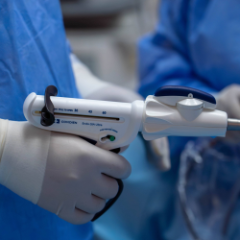
A gentle, surgical removal of fibroids that preserves the uterus and may be done laparoscopically or via open surgery.

NWHP -Icon - Endometrial Ablation copy
Endometrial Ablation
NWHP -Icon - Endometrial Ablation copy

Endometrial Ablation

A minimally invasive option done in-office to move the lining of the uterus and reduce or stop heavy bleeding caused by fibroids.

NWHP -Icon - Hysterectomy copy
Hysterectomy
NWHP -Icon - Hysterectomy copy

Hysterectomy

When symptoms are severe, this is a definitive option for those who are done with childbearing.

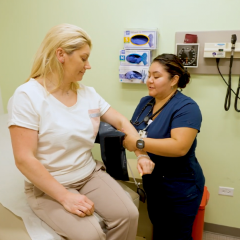
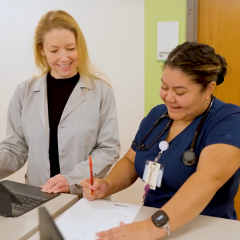
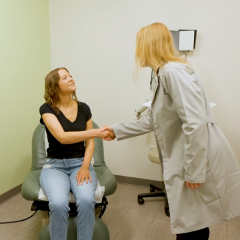
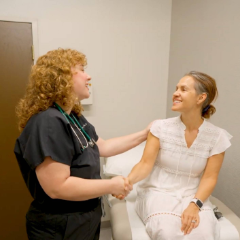
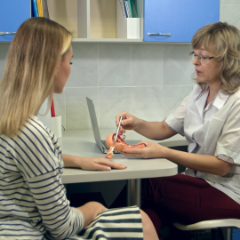
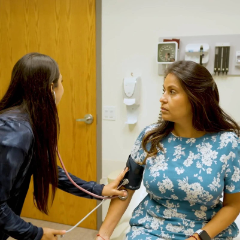
Your visit starts with a conversation. We’ll ask about your symptoms, cycle history, lifestyle, and any concerns you have—whether it’s pain, bleeding, fertility, or something you can’t quite put your finger on. This helps us understand your experience and tailor the exam to your unique needs.

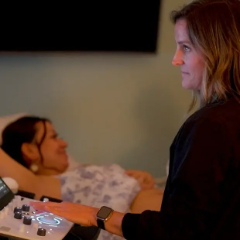
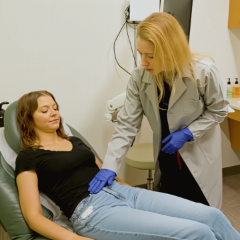
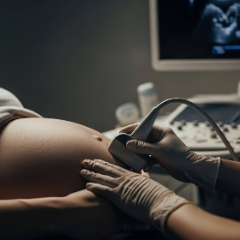
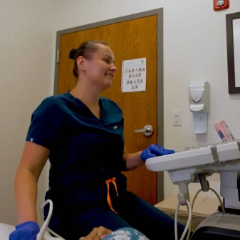
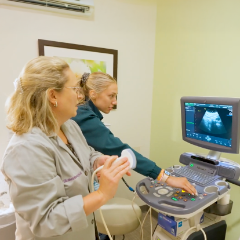
Depending on your symptoms, your provider may perform a pelvic exam and recommend an on-site ultrasound to check for fibroids. These imaging tools help us identify the size, number, and location of any growths. Everything is explained as we go, so you’re never left in the dark.

We’ll walk you through your results, discuss your treatment options, and answer every question—no rush, no pressure. Whether you need follow-up testing, medication, or a procedure, your care plan will be built around your body, your goals, and what makes you feel comfortable moving forward.

Your Uterine Fibroid Exam: What to Expect

Whether you’re dealing with heavy periods, pelvic pressure, or just wondering if fibroids could be the cause, we’ll walk you through every step of your visit with care and clarity.
Mask group (6)

Insurance Information

Most insurance plans cover evaluation and treatment for uterine fibroids, including exams, ultrasounds, and medically necessary procedures. At WomanCare, we accept a wide range of insurance providers and can help verify your benefits before your visit. If you’re uninsured or exploring other options, we also offer self-pay rates and flexible payment plans—because getting answers shouldn’t come with financial stress.

Mask group (7)

Patient Resources

From accessing the patient portal to downloading forms, reviewing insurance details, and exploring helpful FAQs and educational guides – we make it easy to stay informed, prepared, and confident in your care.

Find a Gynecologist Near You

Choose from five trusted locations across Chicago’s northwest suburbs and get care close to home.

Arlington Heights (Central Rd)

1614 W. Central Rd, Suite 205, Arlington Heights, IL 60005

Arlington Heights (Rand Rd)

Buffalo Grove

Kildeer

Schaumburg

Don’t Ignore the Discomfort—Let’s Find Out What’s Going On

Fibroids are non-cancerous growths that develop in or around the uterus. They’re very common and often appear during the reproductive years.

While the exact cause isn’t known, fibroid growth is linked to hormones (especially estrogen and progesterone), genetics, and life stage factors like pregnancy or perimenopause.

Symptoms can include heavy or prolonged periods, pelvic pain or pressure, bloating, frequent urination, pain during sex, and fertility challenges. Some fibroids cause no symptoms at all.

Fibroids are typically diagnosed with a pelvic exam and confirmed with imaging, like an in-office ultrasound or MRI.

Yes, depending on their size and location. Some fibroids can interfere with conception or pregnancy, but many people with fibroids go on to have healthy pregnancies.

Not necessarily. If your fibroids aren’t causing symptoms or affecting your health, your provider may recommend watchful waiting with regular monitoring.

Options include hormonal birth control, GnRH agonists to shrink fibroids, IUDs to reduce bleeding, and lifestyle changes. Uterine fibroid embolization is also a minimally invasive alternative to surgery.

Surgical treatments include myomectomy (removal of fibroids) and hysterectomy (removal of the uterus). These may be done using minimally invasive techniques for quicker recovery.

Some treatments, like myomectomy, are fertility-preserving. Others, like hysterectomy, are not. Your provider will help you choose the option that aligns with your reproductive goals.

Most insurance plans cover both diagnosis and medically necessary treatments for fibroids. WomanCare can help confirm your benefits before your visit.

Frequently Asked Questions