

Endometriosis
If painful periods, pelvic discomfort, or fertility struggles are part of your life, you’re not alone—our team is here to help you find answers and relief.
What is Endometriosis?
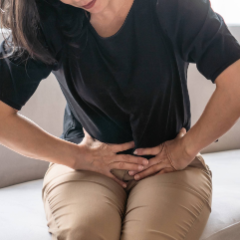
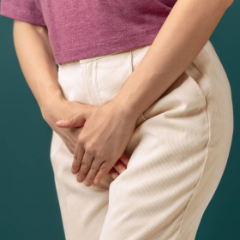
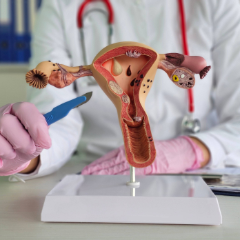
Endometriosis is a condition where tissue similar to the lining of the uterus grows outside of it, often on the ovaries, fallopian tubes, or other pelvic organs. While the exact cause isn’t fully understood, factors like genetics, immune system changes, and menstrual backflow may play a role. Those with endometriosis might experience severe menstrual cramps, chronic pelvic pain, pain during intercourse, heavy periods, and, in some cases, difficulty getting pregnant. Left untreated, endometriosis can lead to worsening pain, fertility challenges, and a significant impact on daily life, physically, emotionally, and socially.
Treatments for Endometriosis
We offer a range of treatments—from targeted medications to minimally invasive surgery for endometriosis—designed to relieve pain, protect fertility, and help you regain control.
Medication Management
To help control pain and slow endometrial tissue growth, such as hormonal birth control, progestin therapy, or GnRH medications.
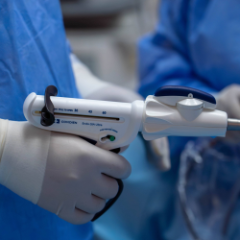
Minimally Invasive Laparoscopic Surgery
When endometrial growths need to be located and removed while preserving healthy tissue.
Lifestyle & Nutrition Support
For managing inflammation and improving overall well-being alongside medical treatment.
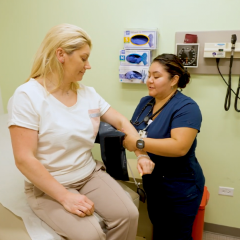
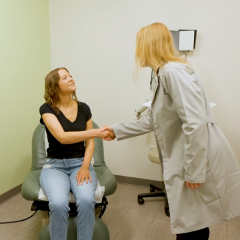
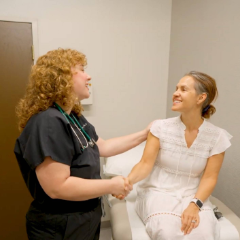
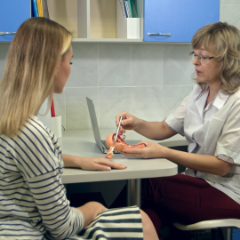
We’ll start by learning your story—listening closely as you describe your symptoms, cycle history, medical background, and how your pain affects daily life. Your provider may also ask you to share details about your menstrual patterns, prior treatments, and any fertility concerns.
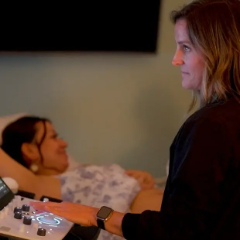
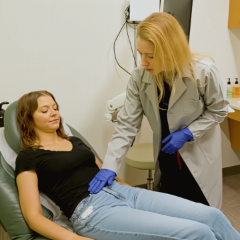
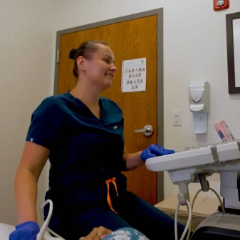
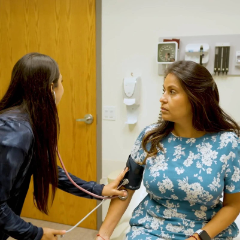
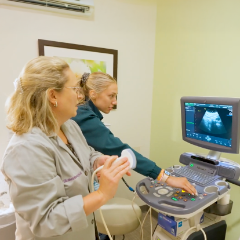
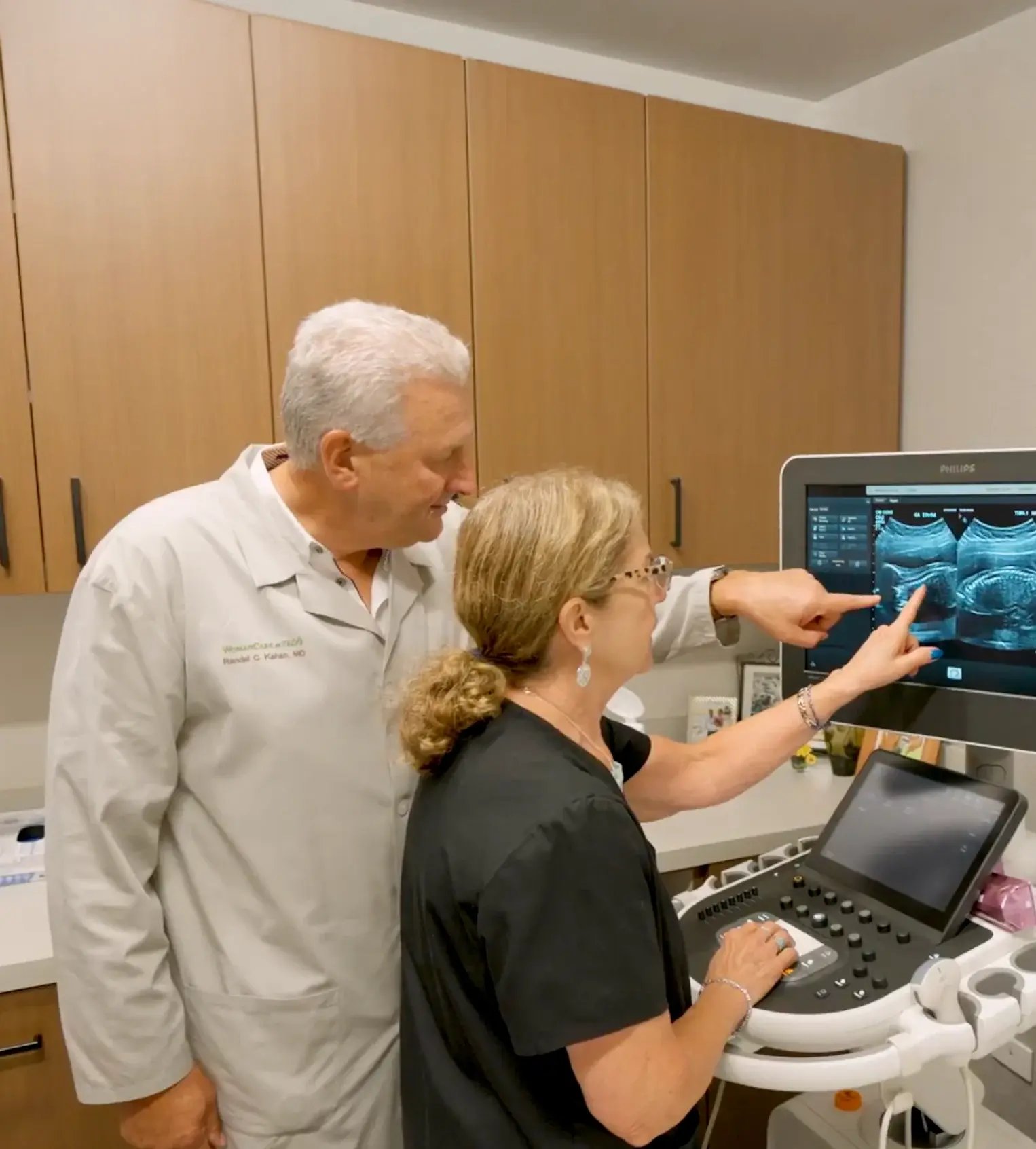
Your provider may perform a gentle pelvic exam and, if needed, order imaging tests like an ultrasound to look for signs of endometriosis or other related conditions. After, we’ll discuss possible diagnostic options, such as laparoscopy, which is the only way to confirm endometriosis.
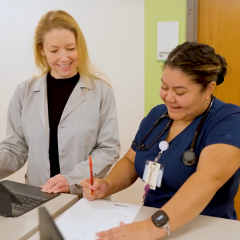
Once your results are ready, we’ll review them together, discuss your diagnosis, and explore treatment options—from medications to minimally invasive surgery. We’ll also discuss symptom management strategies and ongoing support, ensuring you leave with both a plan and the reassurance that you’re not facing this alone.
Your Endometriosis Appointment: What to Expect
Insurance Information
Most insurance plans cover the evaluation and diagnosis of endometriosis, including office visits, pelvic exams, ultrasounds, and, when medically necessary, diagnostic laparoscopy. Many plans also cover treatment options such as prescription medications, hormone therapy, and certain surgical procedures. However, coverage can vary based on your provider network, so our team will help verify your insurance and guide you through the process before care begins.
Patient Resources
From accessing the patient portal to downloading forms, reviewing insurance details, and exploring helpful FAQs and educational guides – we make it easy to stay informed, prepared, and confident in your care.
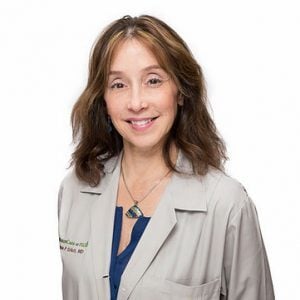
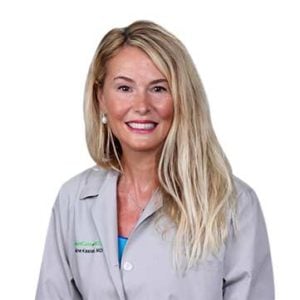
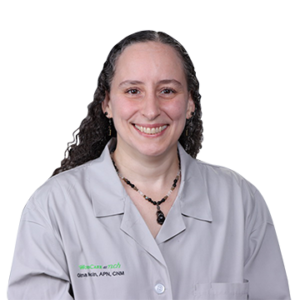
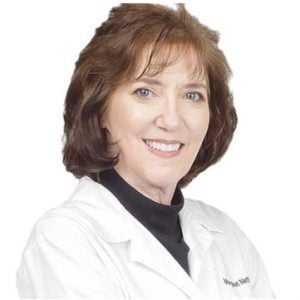
Meet Our Gynecologists
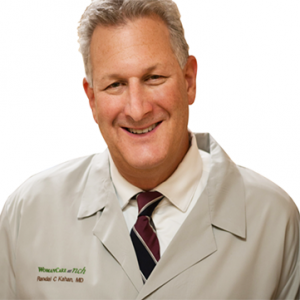
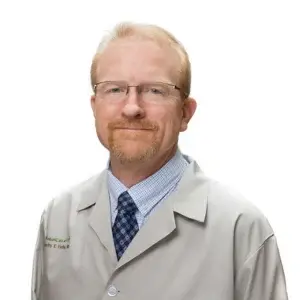
Randall C. Kahan, MD
Meet Dr. Randall C. Kahan of WomanCare, serving Cook & Lake County, IL. Providing trusted gynecology, obstetrics, and compassionate women’s health services.
Erin Kopeny, PA-C
Leta M. Vega, DNP, APN, CNM
Gina Marcin, CNM, LAc, RH (AHG)
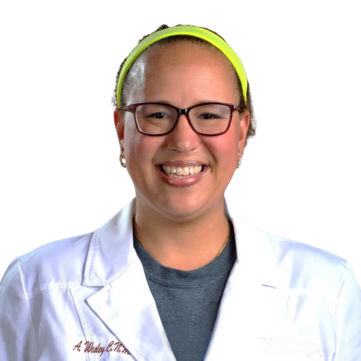
Alisha M. Wesley, APRN, CNM
Jenny Mathew, WNHP-BC
Claire Bareiss, PA-C
Madison Monk, PA-C, MS
Carter S. Black, RPh
Find a Gynecologist Near You
Choose from five trusted locations across Chicago’s northwest suburbs and get care close to home.
Arlington Heights (Central Rd)
1614 W. Central Rd, Suite 205, Arlington Heights, IL 60005
Arlington Heights (Rand Rd)
1051 W Rand Rd, Suite 101, Arlington Heights, IL 60004
Buffalo Grove
Kildeer
Schaumburg
Get the Answers You Need From a OB/GYN Endometriosis Specialists
Endometriosis is when tissue similar to the uterine lining grows outside the uterus, often on the ovaries, fallopian tubes, or pelvic lining, causing pain and sometimes fertility problems.
Severe period cramps, chronic pelvic pain, pain during intercourse, heavy bleeding, and sometimes digestive or urinary issues—especially around your period.
A pelvic exam or imaging like ultrasound can suggest it, but laparoscopy—a minimally invasive surgery—remains the only way to confirm the diagnosis.
Laparoscopy is a surgery done through small incisions using a thin camera. It allows your doctor to see endometrial growths and remove or treat them simultaneously.
Yes. It’s considered low-risk and is often performed as an outpatient procedure, meaning you can usually go home the same day.
Surgery can relieve pain and improve fertility for many patients, but endometriosis can return. Ongoing management, including medications, may help prevent recurrence.
Options include hormonal birth control, progestin therapy, GnRH medications, pain management, and lifestyle strategies to help manage symptoms.
Endometriosis can make it harder to get pregnant, but many women with the condition go on to have children. Early diagnosis and treatment can help protect fertility.
Most insurance plans cover medically necessary procedures like laparoscopy, but coverage details vary. We’ll help verify your benefits before scheduling surgery.
Without treatment, symptoms can worsen over time, potentially leading to chronic pain, scar tissue, and fertility challenges. Seeking care early can help protect your long-term health.