








Abnormal or Heavy Menstrual Bleeding
If heavy period symptoms are disrupting your life, you’re not alone—our experts are here to find the cause and help you get lasting relief.
What Are the Causes of Heavy Menstrual Bleeding?
If you’re experiencing bleeding that’s heavier, longer, or more unpredictable than your usual cycle, this is considered abnormal. You might soak through pads or tampons in just an hour, pass large clots, or experience bleeding between periods. While it can happen at any age, some of the most common causes include hormonal imbalances, uterine fibroids, polyps, thyroid disorders, certain medications, or even underlying conditions like endometriosis or bleeding disorders. Whatever the cause, it’s important to get evaluated, because help and effective treatment are available.
Diagnosing Heavy Menstrual Bleeding
When heavy period symptoms feel like they’ve taken over, we offer a full range of diagnostic and treatment options to address them, tailored to your body, your needs, and your goals.
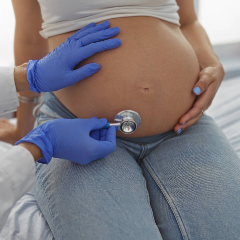
Yearly Well-Woman & Pelvic Exam
This preventive visit checks for changes and screens for unusual symptoms, including heavy bleeding.
Pap Smear & Cervical Screening
This detects abnormal cervical cells or HPV that may contribute to heavy or abnormal bleeding.
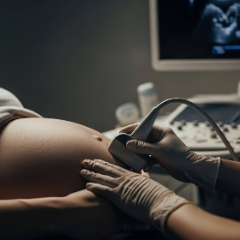
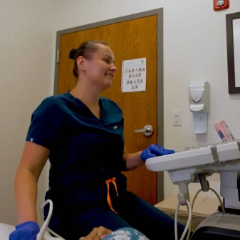
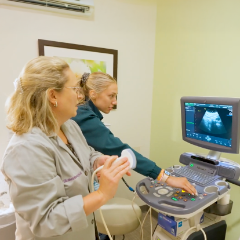
Pelvic Ultrasound
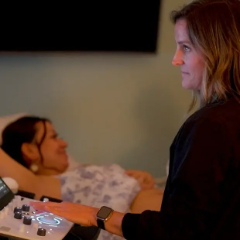
When a clear view of the uterus and ovaries is needed to check for fibroids, cysts, or other abnormalities.
Hormone Testing
For identifying any imbalance that may be causing irregular or heavy periods.
Endometrial Biopsy
Evaluates the uterine lining for abnormal cell growth or other changes.
Contraception & Hormone Therapy
Options like birth control pills, IUDs, or hormone replacement can help regulate cycles and reduce bleeding.
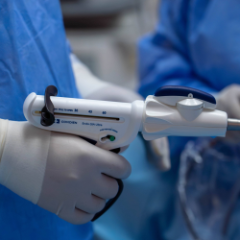
Minimally Invasive Gynecologic Surgery
This includes procedures such as hysteroscopy or endometrial ablation, which can treat underlying issues.
Get StartedLifestyle & Nutrition Counseling
Compassionate support for whole-body wellness, which can help manage menstrual symptoms.
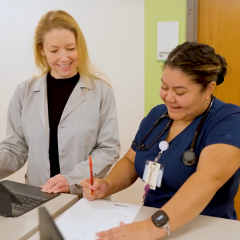
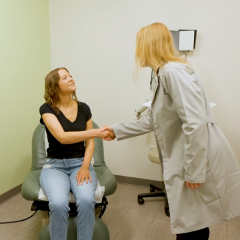
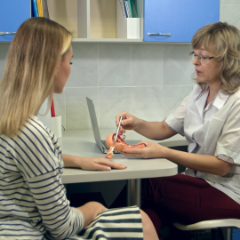
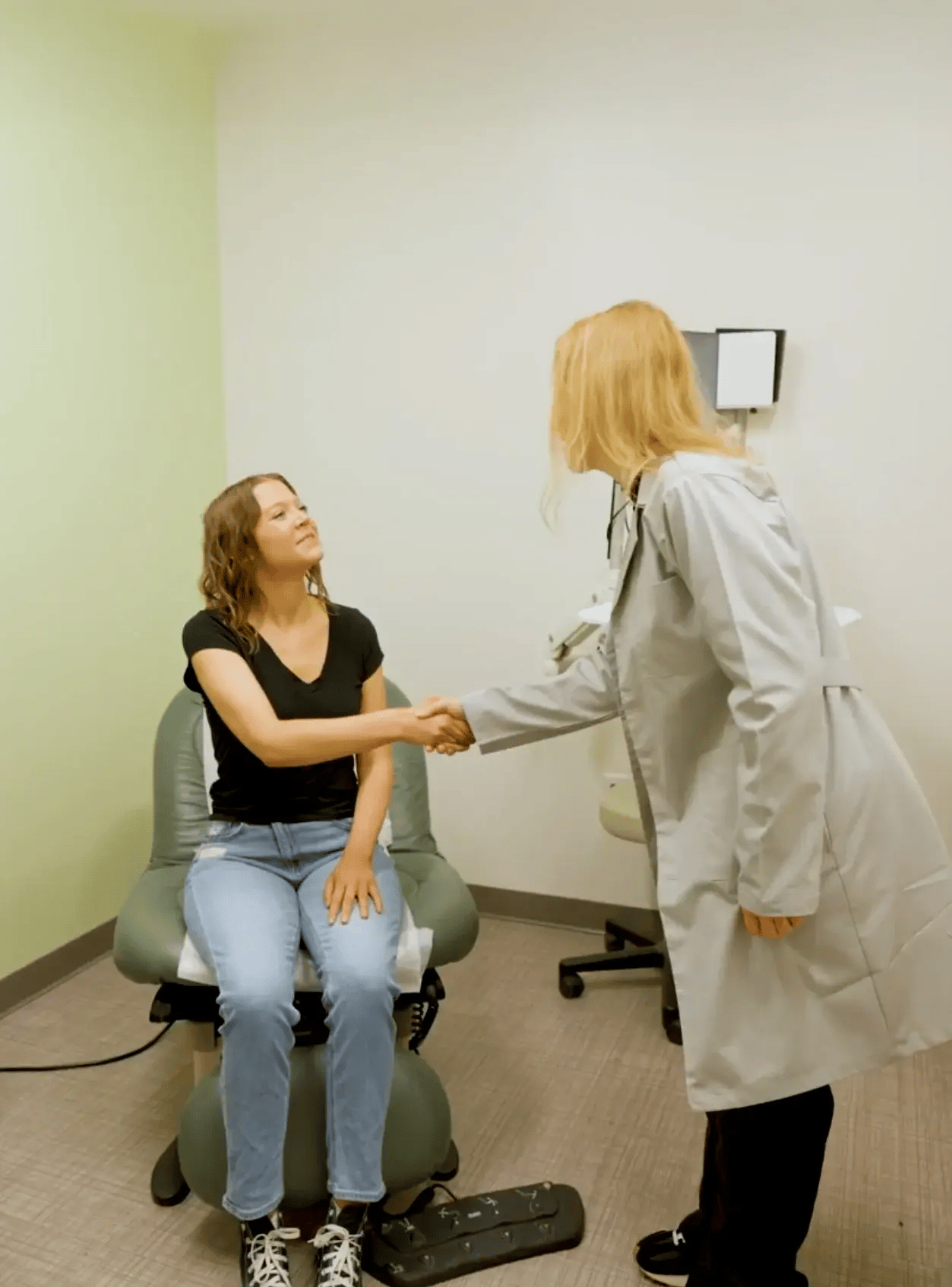
Get StartedYour provider will take time to discuss your symptoms, menstrual cycle patterns, medical history, and any concerns you may have. This conversation helps us understand the full picture of your health and guide you in the right next steps.
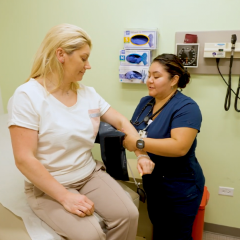
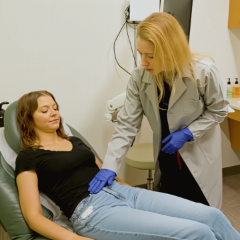
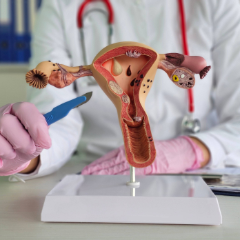
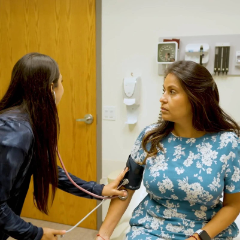
We may perform a gentle pelvic exam to check for changes in your uterus, cervix, and ovaries, and, if needed, collect lab work or order imaging such as an ultrasound. Your provider will explain each step and answer any questions along the way.
We’ll review your results together, discuss possible causes for your bleeding, and explain your treatment options in clear, supportive terms. Our goal is to create a personalized plan so you can find relief and feel like yourself again.
Your Pelvic Exam: What to Expect
Insurance Information
Most insurance plans cover the evaluation and diagnostic tests for abnormal or heavy menstrual bleeding, including your annual well-woman exam, pelvic exam, Pap smear, and many lab or imaging services when medically necessary. Depending on your needs, our team can help verify your coverage, explain any potential out-of-pocket costs, and explore self-pay options if needed, so you can focus on getting the care you deserve.
Patient Resources
From accessing the patient portal to downloading forms, reviewing insurance details, and exploring helpful FAQs and educational guides – we make it easy to stay informed, prepared, and confident in your care.
Meet Our Gynecologists
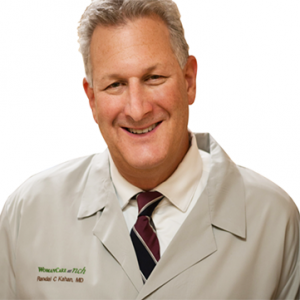
Randall C. Kahan, MD
Meet Dr. Randall C. Kahan of WomanCare, serving Cook & Lake County, IL. Providing trusted gynecology, obstetrics, and compassionate women’s health services.
Erin Kopeny, PA-C
Leta M. Vega, DNP, APN, CNM
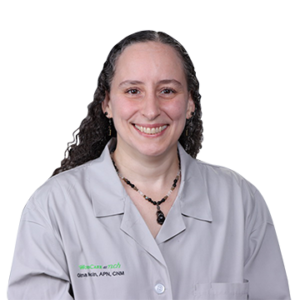
Gina Marcin, CNM, LAc, RH (AHG)
Alisha M. Wesley, APRN, CNM
Jenny Mathew, WNHP-BC
Claire Bareiss, PA-C
Madison Monk, PA-C, MS
Carter S. Black, RPh
Find a Gynecologist Near You
Choose from five trusted locations across Chicago’s northwest suburbs and get care close to home.
Arlington Heights (Central Rd)
1614 W. Central Rd, Suite 205, Arlington Heights, IL 60005
Arlington Heights (Rand Rd)
1051 W Rand Rd, Suite 101, Arlington Heights, IL 60004
Buffalo Grove
Kildeer
Schaumburg
Don’t Let Heavy Periods Hold You Back—Find Relief Today.
If you’re soaking through pads or tampons every hour, passing clots larger than a quarter, bleeding for more than 7 days, or feeling fatigued from blood loss, it may be considered heavy menstrual bleeding.
Common causes include hormonal imbalances, fibroids, uterine polyps, thyroid disorders, certain medications, endometriosis, and bleeding disorders. That’s why a thorough evaluation is so important.
Sometimes, yes. While many causes are treatable, heavy bleeding can also signal underlying conditions like anemia, uterine growths, or, rarely, cancer. Early evaluation is the safest approach.
We may suggest a pelvic exam, blood tests, ultrasound imaging, hormone testing, or an endometrial biopsy—depending on your symptoms and history.
Yes. Hormonal methods like the pill, hormonal IUD, or injections can regulate cycles, reduce flow, and ease cramps for many women.
We can explore non-hormonal treatments like tranexamic acid, NSAIDs, dietary changes, iron supplementation, or minimally invasive procedures to manage bleeding.
If other treatments don’t work, we may recommend procedures like hysteroscopy (to remove polyps), myomectomy (to remove fibroids), endometrial ablation, or, in some cases, hysterectomy.
Most insurance plans cover medically necessary evaluations and treatments. We’ll help you understand your benefits and any possible costs before moving forward.
It depends on the cause and treatment. Some women see improvement within a month, while others may need more time and follow-up care.
If you have symptoms of severe blood loss—like dizziness, shortness of breath, or extreme fatigue—call your provider right away or seek urgent care. Your safety comes first.